
_front.png)
Jim Thompson, the founder and chairman of NZCCHK corporate member Crown Worldwide Group, has been awarded the EY Entrepreneur of the Year™ 2024 award for Hong Kong/Macau.
This prestigious award acknowledges his lifelong contribution to building a globally competitive business within the region over nearly six decades.
Starting out with just US$1,000 in 1965, Jim has ridden the waves of accelerated globalization to build Crown, a privately owned, global logistics company committed to making it simpler to live, work, and do business anywhere in the world.
Crown has relocated millions of families and helps organizations maximize their corporate assets, from information to office furniture. With five international brands and local businesses like Crown Wine Cellars in Hong Kong, the company employs 3,000 people in 45 countries.
The EY Entrepreneur of the Year Awards celebrate entrepreneurs who demonstrate excellence in business. Jim’s accomplishment, which comes just weeks before the organization he set up and led celebrates its 60th anniversary, highlights his personal success but also underscores the impact of his entrepreneurial spirit on the Hong Kong and China region at large.
The award also recognized that his impact goes beyond business. He is heavily involved in several charities and serves on the boards of various organizations, particularly those devoted to children’s welfare, cancer research, education, and the arts. Jim has ensured that giving back to the local communities in which we operate makes up the fabric of Crown’s DNA and its values.
At the award ceremony held at the Marriott Hotel in Guangzhou, Jim received the Grand Winner title among the top 10 winners across multiple categories, including Health Sciences and Wellness, Technology, Services, and Energy and Resources.
Accepting the award, Jim said: “Entrepreneurs are the backbone of the global economy, and I am grateful to EY for recognizing our contributions globally. However, no entrepreneur is a one-man band, and I dedicate this award to my team. Crown’s success is owed to the incredible people in our company, not just in Hong Kong but all over the world.
“But having lived in Hong Kong for most of my life, I feel very much at home here. Crown’s success, and indeed my own, is in many ways, down to the opportunities and advantages of operating from Hong Kong, which has been our global headquarters for over 50 years. I believe we are now in the Asian century, and I’m excited to see the development of Hong Kong and Greater China and what the future holds.
“It is humbling to receive this award now, as we get ready to celebrate 60 wonderful years, and as the organization continues to diversify further and meet the needs of its customers. This, of course, requires an entrepreneurial spirit that I am proud exists right the way through our great company; a spirit that takes us into the next 60 years with great excitement and optimism.

EY International operators of the Global Enterprise of the Year is thrilled to announce that the Faull family of Swiss-Belhotel International (NZCCHK corporate member) and Faull Farms have been honoured with the prestigious EY Entrepreneur of the Year – 2024 New Zealand award in the Family Business category.
This esteemed recognition celebrates the vision, dedication, and entrepreneurial spirit that Swiss-Belhotel International and Faull Farms, an internationally recognised dairy operation, under the leadership of Chairman and President Gavin M. Faull, brings to the hospitality and agriculture industries.
The EY Entrepreneur of the Year programme celebrates entrepreneurs shaping the future with innovation, leadership, and dedication. Winning in the Family Business category highlights Swiss-Belhotel International and Faull Farms' remarkable expansion while remaining deeply rooted in its core family values. Gavin, together with his sons Matthew, Oliver, and Edward, drives Swiss-Belhotel International forward with culture of Swiss hospitality professionalism and Asian-inspired passion - Swiss-Belhotel International’s philosophy of Passion and Professionalism™ - delivering outstanding hospitality experiences and applies the same culture to Faull Farms - expanding globally through Fonterra - the largest single dairy company in the world.
Gavin Faull expressed gratitude and humility for the award, stating, “Being recognized as the Family Business winner at EY Entrepreneur of The Year is a tremendous honour. This award underscores the importance of family values in our business and the passion and professionalism™. We’re excited to continue expanding our legacy in the hospitality and agriculture industries, reaching new heights in the years to come.”
This is the third family business award won in the last year and earlier this year. The two others are Legacy Family Business Award New Zealand by Family Business Association 2023 and Legacy Family Business Award Asia Pacific by Family Business Excellence Awards 2024.
As the Faull family celebrates this milestone, Swiss-Belhotel International and Faull Farms remain committed to delivering exceptional hospitality experiences and advancing the industry through visionary leadership and global impact and truly sustainable systems and culture in hospitality and agriculture.

Award-winning global security manufacturer, Gallagher Security (NZCCHK corporate member), has recently announced a strategic partnership with Chubb China, signaling growth and expansion in the region.
The announcement came as part of the New Zealand-China Business Partnerships Ceremony in Guangzhou where Gallagher was joined by seven other New Zealand companies to signal new cooperation agreements between the companies and their Chinese counterparts.
The event was attended by New Zealand’s Minister for Trade, Todd McClay. The agreements involve new projects and product launches across multiple industries, further strengthening the economic and trade relationship between New Zealand and China.
This new collaboration with Chubb China aims to promote Gallagher’s solutions, including access control systems, perimeter security, intrusion detection, and cybersecurity solutions, bringing high-quality, integrated security to Chinese consumers.
General Manager for Asia, David Thean, says this partnership with Chubb is expected to deliver greater value to customers as Gallagher grows their presence in the region.
“Security trends in China are different compared to other North Asian countries,” Thean explains.
“Our partnership with Chubb is an opportunity to be more strategic in how we position Gallagher’s solutions and collaborate with the local market. Chubb has a strong on-the-ground knowledge of customers’ needs, and by combing that with Gallagher’s exceptional solutions and our customer-centric philosophy, I believe we can turn potential into real benefits for businesses in the region.”
As Thean explains, the new Channel Partner Agreement with Chubb also deepens ties between businesses across the two countries: “We’re very proud to have been part of the New Zealand-China Business Partnerships Ceremony and strengthen our economic relationship. Our team has maintained a strong partnership with Chubb in our New Zealand headquarters, and I’m excited to grow together in China moving forward.”

In partnership with Chinese platform RED, Tourism New Zealand has launched new activity to drive 2025 autumn and winter arrivals from China to support its year-round and off-peak strategy.
RED (Xiaohongshu 小红书) is a Chinese social media and e-commerce platform that attracts over 300 million active users a month.
“Growing visitation from China will be integral to achieving our year-round and off-peak growth targets(opens in new window). The market is still in recovery so it’s important destination New Zealand remains top of mind for Chinese travelers,” says Angela Blair, Tourism New Zealand’s GM International.
In the latest International Visitor Survey (Sept 2024), New Zealand’s breathtaking landscapes and scenery were the biggest motivator for nearly 80% of holiday visitors from China.
Tourism New Zealand’s latest consumer research showed that as well as being drawn to landscapes, visitors from China want to relax and unwind and feel a sense of escape and joy in New Zealand.
The new activity positions New Zealand as a great place to relax, enjoy nature and capture life’s best moments, through content creators on RED, media engagement and paid advertising.
There are 62 million people in China considering a visit to New Zealand. New Zealand’s autumn and winter seasons present the biggest off-peak opportunity to convert arrivals from China, with 42% of potential visitors saying they would consider a visit in autumn and 32% in winter.
Visitors from China are also interested in exploring a broad range of regions within New Zealand.
The IVS data showed that nearly a quarter of Chinese visitors explored four or more regions, with one-third of holiday visitors showing an even higher tendency to visit four or more places.
This activity builds on insights gathered during previous campaigns that showed there is about 120 days between visitors from China ‘dreaming’ about their next destination to arrival. Typically, Chinese travellers plan and book a trip to New Zealand around 50 days before they travel.

An information desk staff member displays the Beijing Pass card, a multi-purpose card designed to enhance convenience for international visitors by simplifying payments for transportation, tourist sites and shopping centers, at a service center in Beijing Capital International Airport in Beijing, capital of China.
Eligible citizens from 54 countries can enter China visa-free when transiting to a third country or region. Driven by the travel policy, many international tourists flocked to the country to experience its blend of centuries-old traditions and cutting-edge technology. An enhanced payment environment, bilingual signage and other supports have made travel in China more convenient for foreign visitors.

Chinese research icebreaker Xuelong 2, or Snow Dragon 2, departed from Lyttelton in Christchurch, recently to carry out a month-long marine ecosystem survey in the Amundsen Sea.
The survey will include a comprehensive investigation and monitoring of biological ecology, water, sedimentary and atmospheric environment, and pollutant distribution, according to Luo Guangfu, captain of the oceanic team of China's 41st Antarctic expedition.
Xuelong 2 docked at the Lyttelton Port (image above) to make a midway supply of fruits, vegetables and fuel, as well as to pick up 38 members of the oceanic research team before heading to the Amundsen Sea.
Lyttelton Port is one of the most important replenishment stations for China's Antarctic research, and Christchurch, where the port is located, has been internationally recognized as one of the gateway cities to Antarctica, Chinese Consul General in Christchurch He Ying said on Saturday.
"We will take advantage of the best time in the Southern Hemisphere throughout February in the Amundsen Sea to carry out marine ecosystem survey operations," Luo said, adding the research will cover physical oceanography, marine chemistry, biology and geology.

New Zealand-based information technology solutions provider, OptimaTech, has opened its regional office in Hong Kong, leveraging the city's strategic location as the base to expand in the region.
InvestHK's Associate Director-General of Investment Promotion Mr Charles Ng congratulated OptimaTech on the opening of its regional office in Hong Kong. He said, "Hong Kong, as a premier business hub in Asia, has rigorous protection of intellectual property and tech-savvy consumers. It provides an excellent base for technology solution businesses to flourish. In fact, many of the world's leading software services companies base their regional operations in the city to mirror their client's preferences." Hong Kong is the perfect sandbox where innovative companies can adopt and test tailor-made solutions before their product launch in the local and global markets, he added.
The Business Development Director of OptimaTech, Mr Jeremy Cheng, said, "We saw Hong Kong as a strategic location for expanding our business thanks to its dynamic business environment, world-class infrastructure, and status as an international financial and technology hub. As a gateway to the Asia-Pacific region, the city offers unparalleled access to markets in Mainland China and Southeast Asia, which aligns perfectly with our growth strategy."
He added, "Hong Kong's strong legal framework, availability of skilled professionals, and extensive network of multinational businesses and local enterprises add further appeal to establish our presence here. We will use the Hong Kong office to drive the development of innovative solutions that protect sensitive information and support businesses in navigating an increasingly digital and interconnected world."
Founded in New Zealand in 2023, OptimaTech specialises in advanced data security solutions, collaboration applications, and managed IT services. By setting up its regional office in Hong Kong, it aims to contribute to the region's growth as a global technology hub while delivering secure, reliable, and efficient services to local and international clients.
For more information about OptimaTech, see www.optimatech.com.hk.

The New Zealand Government has unveiled a bold new initiative to position New Zealand as a premier destination for foreign direct investment (FDI) that will create higher paying jobs and grow the economy.
“Invest New Zealand will streamline the investment process and provide tailored support to foreign investors, to increase capital investment across critical infrastructure, fostering greater innovation in key sectors and attracting world-class talent to our shores,” Mr McClay says.
The new agency, modelled on Irish and Singaporean best practice, will focus on:
Attracting FDI into high-potential sectors to boost productivity and innovation.
Streamlining processes to significantly increase the capital available to invest in new and existing projects and enterprises including, banking and Fintec, critical infrastructure, including roading and energy projects, manufacturing and private sector growth.
Increasing research and development (R&D) investment in New Zealand by multinational companies.
Encouraging skilled professionals to enhance domestic capabilities and global connections.
Invest New Zealand will incubate within New Zealand Trade and Enterprise (NZTE) and then transition to a new Autonomous Crown Entity, which operates with a clear mandate to attract international capital, infrastructure investment, ideas, and expertise.
Meanwhile, NZTE will be refocused with a single mandate to support Kiwi businesses to export more and grow international markets.
Both agencies will retain all NZTE staff to help achieve the Government’s ambitious goal of doubling exports by value in ten years.
“This initiative will help unlock tens of billions of dollars in global investment opportunities, significantly increase the capital available to support key roading and energy infrastructure and make New Zealand a more attractive and predictable destination for investors.
“With Invest New Zealand leading the charge, we’re rolling out the welcome mat to the world. Streamlining processes and supporting investors as they navigate our legal and commercial landscape,” Mr McClay says.


New Zealand's Science, Innovation and Technology Minister Judith Collins has announced the largest reset of the New Zealand science system in more than 30 years with reforms which will boost the economy and benefit the sector.
“The reforms will maximise the value of the NZ$1.2 billion in government funding that goes into the science sector each year, creating a more dynamic science, innovation and technology system that can respond to priorities and keep pace with technological advances,” Ms Collins says.
“Getting the system settings right is the best way to boost long-term economic performance and ensure our scientists can pursue meaningful careers in New Zealand.”
The reforms will:
“The four new PROs will be designed to maximise the long-term NZ Inc benefits. They will be adaptable and responsive to government priorities, accountable through appropriate cost recovery, and set up to be well-coordinated and to avoid unnecessary duplication. The PROs will also look for partnerships with private sector investors in research capability, facilities and knowledge production.
“The PROs will play a role in stewardship of public good science, which the Government recognises the benefit of,” Ms Collins says.
“Callaghan Innovation will be disestablished and its most important functions moved to other entities. Callaghan has simply been spread too thinly across too many functions, leading to poor financial performance and an over-reliance on Crown funding.
“The new Prime Minister’s Science Innovation and Technology Advisory Council is charged with setting national priorities for the system, including across the four PROs.
“A key role of the Council will be to make sure the taxpayer funding that goes to the sector is spent in the best way possible to grow the economy, because innovation and technology are the future.
“Invest New Zealand will be the Government’s one-stop-shop for foreign direct investment, excluding public infrastructure, and will be an Autonomous Crown Entity.
“It will be focussed on attracting greater investment into truly innovative activities in existing sectors and those with high potential to raise productivity and drive economic growth, as well as greater research and development investment and innovative activity in New Zealand by multi-national companies.
“Invest NZ will also be tasked with attracting more skilled professionals to New Zealand, to help foster innovation, raise domestic capabilities and improve international connections.
“The Government wants to reward and incentivise people in the industry and will therefore develop a national policy for managing Intellectual Property (IP) for science, innovation and technology-funded research.
“This will be based on the model used by Canada’s Waterloo University, which vests ownership of IP with the researchers who create it.
“We will also be considering how this policy will apply to the new PROs, with the intention being that researchers receive a share of the financial rewards from commercialising intellectual property.
“This work, along with our move to overturn what has effectively been a 30-year ban on gene technology, will unlock enormous opportunities for our science sector and New Zealanders,” Ms Collins says.
“The changes we have announced are extensive but they will ensure a science system that generates maximum value for the economy and, therefore, for New Zealanders.”

Beijing has recently launched an English map to enhance travel services for foreign nationals in the city. The map is now available for a one-month trial run on the Beijing Platform for Common Geospatial Information Services.
The Beijing English Map includes both digital and printed versions. The digital map covers categories such as administrative divisions, natural features, transportation, government institutions, international organizations, education and culture, healthcare, sports and leisure, residential areas, and commercial facilities, with over 30,000 annotations in total.
The digital map also includes six additional thematic sections with over 4,000 annotations, such as bank card services and SIM card services, offering convenient information for foreigners visiting, working and living in Beijing.
The printed map notably marks historical landmarks like the Beijing Central Axis.
During the trial run, feedback will be collected to improve and enrich the map's content.
The New Zealand government recently announced a bold new initiative aimed at positioning the country as a premier destination for foreign direct investment (FDI). This move, spearheaded by the newly established agency Invest New Zealand, is designed to streamline the investment process and provide tailored support to foreign investors. The goal is to boost productivity, innovation, and economic growth by attracting high-quality investments into key sectors.
Invest New Zealand will initially operate within the New Zealand Trade and Enterprise (NZTE) development agency before transitioning to its own Autonomous Crown Entity. This new agency will focus on attracting FDI into high-potential sectors such as banking, financial technology, critical infrastructure, and manufacturing. By doing so, it aims to significantly increase the capital available for new and existing projects, fostering greater innovation and creating higher-paying jobs.
One of the key motivations behind this policy is New Zealand's current position as the most restrictive OECD country in terms of FDI policy. The government has committed to reforming the Overseas Investment Act to remedy this, with the establishment of Invest New Zealand being a crucial part of this strategy. The agency will offer a "one-stop-shop" experience for foreign investors, helping them navigate the legal and commercial landscape of New Zealand.
The Prime Minister, Rt Hon Christopher Luxon, emphasized that this initiative is about more than just attracting investment—it's about unlocking global opportunities and making New Zealand a more attractive and predictable destination for investors. The government's ambitious goal is to double exports by value in ten years, and Invest New Zealand is expected to play a pivotal role in achieving this target.
While the announcement has been met with optimism, it also raises questions about the potential risks and challenges associated with increased foreign investment. Critics argue that while FDI can bring economic benefits, it can also lead to issues such as loss of local control over key industries and potential environmental impacts. It will be crucial for the government to strike a balance between attracting foreign capital and ensuring that investments align with New Zealand's long-term economic and social goals.
In conclusion, the New Zealand government's new policy on foreign direct investment represents a significant step towards enhancing the country's economic landscape. By creating a more welcoming environment for foreign investors, New Zealand aims to boost innovation, create jobs, and drive economic growth. However, careful consideration and strategic planning will be essential to ensure that these investments benefit the country as a whole.
This article authored by: Microsoft Copilot

New Zealand's Minister of Internal Affairs Brooke van Velden has announced the opening of an online portal for the public to submit to the Royal Commission of Inquiry into COVID-19 Lessons Learned.
“The portal is an easy way for members of the public to have their say to the Inquiry about how the response to the COVID-19 pandemic affected them, their families, and their businesses. The terms or reference covered by Phase 2 of the Inquiry includes the use of vaccines, lockdowns, testing, and public health materials,” says Ms van Velden.
Last year the Government announced that there would be a second phase of the Inquiry into COVID-19 covering outstanding matters of public concern. Both the ACT-National and New Zealand First-National coalition agreements include commitments to expand the Inquiry into COVID-19. Phase 2 of the Inquiry began on 29 November and will deliver the final report in February 2026.
Any member of the public can submit to the Inquiry using the portal at www.covid19inquiry.nz. Submissions close at midnight on 27 April 2025.
“I would strongly encourage New Zealanders to have their say by making a submission to the Inquiry. I look forward to seeing the final report delivered to me in February 2026.”
The full terms of reference for Phase 2 of the Inquiry is available here:
https://www.legislation.govt.nz/regulation/public/2022/0323/latest/LMS792965.html
The Phase 1 report is publicly available at the Royal Commission’s website:


A large-scale stress test has been held at the Main Stadium of Kai Tak Sports Park (KTSP), with 50,000 spectators attending the Hong Kong Premier League U22 football match between Kitchee and North District. The exercise was conducted to assess the operational readiness of the Main Stadium and its surrounding facilities for sports events with maximum attendance, with a view to ensuring full preparedness for the official commissioning of the Sports Park.
The drill was co-ordinated by the Exercise Team of the Hong Kong Police Force (HKPF) and covered five major testing and evaluation areas, namely security screening and ticket checks; venue signage and designated seating arrangements; inter-agency co-ordination in response to emergencies; various crowd management measures; and passenger flow management by public transport operators.
During the exercise, the Fire Services Department (FSD) simulated two fire incidents of varying scales, aiming to test the communication and response capabilities of Fire Services personnel in co-ordination with the Police, venue security and other emergency response teams. The Police also simulated an emergency incident involving public safety and security to test the response of all stakeholders.
The stress test was scheduled for a weekday evening, with a slight overlap between the entry time and rush hour after work. Meanwhile, the exercise concluded at a later time, with most participants choosing to leave the park immediately afterwards, thereby increasing the pressure on the transport system. In addition, the Police again implemented new crowd management measures, such as using large display panels along the exit routes to MTR stations to convey crowd management information (including the latest public transport arrangements and estimated waiting times), playing music and deploying police officers to provide real-time information on the spot to help participants leave safely and orderly.
With the close collaboration of all parties, the exercise proceeded smoothly, achieving the anticipated results and testing objectives. The public transport system and surrounding facilities were able to divert the large passenger flows within a short period of time, allowing participants to enter and leave the venue in an orderly manner.
The retractable roof of the Main Stadium was opened for the first time during the stress test, aligning the testing time and mode more closely to the actual conditions of sports events, and the volume of noise during the test was found to be within the acceptable sound level.
A total of 50,000 civil servants, government employees and members of community groups simulated crowd flows during the test. A number of bureaux, departments and organisations, including the HKPF, the FSD, the Transport Department, the Civil Aid Service, the Auxiliary Medical Service, the MTR Corporation Limited and the KTSP Limited, also sent their staff to participate in the exercise.
In future test events and stress tests co-ordinated by the Exercise Team, the “Red Team” concept will continue to be applied to identify vulnerable areas, working in concert with relevant bureaux, departments and organisations to continuously review and enhance various aspects, with a view to ensuring the smooth and orderly operation of the KTSP upon its official commissioning.
The Government is modernising visa settings to incentivise migrants to invest in New Zealand.
“Foreign investment has the potential to provide jobs for Kiwis, lift incomes by delivering new businesses and investing in existing ones. We should be rolling out the welcome mat and encouraging investor migrants to choose New Zealand as a destination for their capital,” Economic Growth Minister Nicola Willis says.
“Unfortunately, changes made to the Active Investor Plus (AIP) visa category by the previous government had the effect of discouraging potential investors from seeking New Zealand residence. Since 2022, migrants entering New Zealand under the AIP category have invested just $70 million. By contrast, in the two years prior to COVID-19 migrants invested $2.2 billion.
“Rather than turning potential investors away, this Government is intent on welcoming people who want to contribute to New Zealand. We are already making it easier for digital nomads to work remotely while visiting here and have established Invest New Zealand to promote investment into this country,” Ms Willis says.
“Capital is highly mobile and in an increasing complex world, people are looking for a safe and stable country to do business. We are now making our investor visa simpler and more flexible to incentivise investors to choose New Zealand as a destination not just for their capital, skills and international connections, but to build a life for themselves and their family here,” Immigration Minister Erica Stanford says.
From 1 April the current complex weighting system for the AIP will be replaced with two simplified investment categories:
The Growth category will focus on higher-risk investments, including direct investments in New Zealand businesses. It will require a minimum investment of $5 million for a minimum period of three years.
The Balanced category will focus on mixed investments, with the ability to choose ones that are lower risk. There will be a minimum investment of $10 million over five years.
Other changes include expanding the scope of acceptable investments and removing potential barriers to investment, such as the English language requirement.
“Incentivising, simplifying and broadening the investment offerings will make New Zealand more attractive and accessible to more foreign high-value investors. These changes will turbocharge our economic growth, bringing brighter days ahead for all Kiwis,” Ms Stanford says.

About 100 of the world’s high-profile investors, business leaders, and construction companies are expected to visit New Zealand in March for a global investment summit, Prime Minister Christopher Luxon and Infrastructure Minister Chris Bishop have announced.
“The Government is relentlessly focused on accelerating the growth New Zealand needs to lift our incomes, strengthen our businesses, and create opportunities for all Kiwis,” Mr Luxon says.
“That means we need to stop saying ‘no’ to growth opportunities like foreign investment and start saying ‘yes’.
“To make it clear we are open for business, the Government will host an international investment summit in March, highlighting partnership opportunities for overseas investment across our economy that will boost growth.
“I will open the summit and many Cabinet Ministers will be at the event to share the Government’s ambitions and plans over the two days.
“We’re using every tool in the box to kick our economy into high gear. We recently announced the creation of Invest NZ, a new agency to attract investment here, Fast-Track has started cutting through the red tape holding back important projects, and just yesterday we announced visa changes to attract international investors who are as excited about New Zealand’s bold growth agenda as we are.
“This is one of many announcements the Government will be making over the coming weeks and months as part of our ambitious Going for Growth plan.”
Mr Bishop says greater foreign investment and more partnerships with Government will help address our massive infrastructure gap.
“The investment summit will bring together around 100 leaders from global investment and construction companies, among others, to showcase our infrastructure vision and highlight upcoming investment and development opportunities.
“As well as showcasing upcoming infrastructure opportunities for partnership and investment, the summit will highlight changes to policy, regulation, and legislation that make it easier to do business here, along with other investment opportunities in a range of growth sectors and the Māori economy.
“Attendees will be left in no doubt that New Zealand is a country worth investing in.”
The Infrastructure Investment Summit is one of many growth initiatives in the Government’s first Quarterly Action Plan for 2025, Mr Luxon says.
“The plan has a strong focus on boosting growth through initiatives such as upgrading visa settings, delivering smarter regulation for our agriculture sector, and reshaping our planning rules so that people can get stuff done in this country.
“We have hit the ground running with many of the priorities in our Q1 plan already ticked off, including allowing digital nomads into New Zealand and laying the groundwork for AI to improve public services.”

Christchurch Airport has taken another significant step in its commitment to operational excellence and sustainability, taking possession of New Zealand’s first electric fire truck.
The Rosenbauer RT (Revolutionary Technology) is also the first electric fire truck at any airport in the Southern Hemisphere, reinforcing the airport’s leadership in sustainable airport practices.
The arrival of the new vehicle is part of the airport’s broader fleet transition programme. With the corporate fleet already 100% electric, the airport is now transitioning its emergency response vehicles as part of its commitment to a zero-emission fleet by 2035.
Justin Watson, Christchurch Airport’s Chief Executive, says: “Safety is at the heart of everything we do, and this new truck ensures our emergency response teams have cutting-edge equipment to keep the airport community safe. At the same time, this is another step towards our zero-emissions goal. Innovation and responsibility go hand in hand. By investing in world-class emergency response technology, we’re ensuring our airport remains at the forefront of both safety and environmental leadership.”
The RT fire truck will serve as the airport’s primary first-response vehicle, replacing the existing diesel truck that handles most emergency call outs across the airport campus. While the RT is a 100% EV it has a small back up range extender generator that can top up the batteries in exceptional circumstances, ensuring continuous operations even in prolonged emergency situations.
The RT’s arrival has been met with excitement from Christchurch Airport’s fire crew, who have been undertaking training under the guidance of Rosenbauer specialists. One of the firefighters involved in the training, Senior Firefighter Trevor Casey, shared his thoughts on operating the new RT.
“Getting behind the wheel of this truck has been an amazing experience. It’s incredibly smooth, responsive, and packed with smart features that help us do our jobs better. The training has been excellent, it’s going to take our response times and capability to the next level".

The Director-General of the Office for Attracting Strategic Enterprises (OASES), Mr Peter Yan (left centre), has visited Auckland to promote Hong Kong's latest developments and new opportunities in the innovation and technology (I&T) industry. These include sectors of artificial intelligence and data science, life and health technology, advanced manufacturing and new energy technology, and financial technology, with the aim of attracting potential strategic enterprises to establish their presence in Hong Kong.
Upon arrival in Auckland, Mr Yan met with various senior representatives of local I&T enterprises to gain insights into the latest local technological developments and trends, and exchange views on potential collaboration opportunities between Hong Kong and Auckland. Mr Yan also shared OASES’s unique role and support functions with the business leaders, and discussed with them their intentions and plans for setting up or expanding in Hong Kong.
During the meetings, Mr Yan said, "Hong Kong is the world's freest economy, the third-largest international financial centre, and the seventh-most digitally competitive city globally. Additionally, Hong Kong is the only Asian city with five universities in the world's top 100, and features world-class research institutions, top-notch professional services and a highly skilled talent pool. On top of these unique advantages, Hong Kong also embraces the role of connecting both Mainland China and overseas countries, serving as a 'super connector' and 'super value-adder', making it the most convenient and efficient gateway for New Zealand enterprises to enter Mainland China."
Mr Yan and an OASES representative met with I&T enterprises in Auckland. They will also visit industry chambers, I&T investment and financial institutions, and professional services organisations to discuss opportunities for financial and investment exchanges as well as I&T collaborations between Hong Kong and the two cities to foster interaction between talent and industries within the I&T sector.
Through these meetings, Mr Yan aims to reinforce OASES's connections with Auckland, and encourage more strategic enterprises to establish a presence in Hong Kong.

China has issued an action plan to stabilize foreign investment in 2025, which was approved by a recent State Council executive meeting.
Foreign investment is a key aspect of promoting high-standard opening-up, and plays a significant role in fostering new quality productive forces and advancing Chinese modernisation, according to the action plan, which was formulated to ensure stable foreign investment in 2025.
China will support pilot regions in effectively implementing opening-up policies related to such areas as value-added telecommunication, biotechnology and wholly foreign-owned hospitals, providing whole-journey services for foreign-invested projects in these sectors. The country will continue expanding its pilot programs to open up fields such as telecommunication and medical services in a timely manner.
According to the plan, China will seize the initiative by opening its education and cultural sectors further, publish implementation plans, and push those plans forward. China will lift restrictions on domestic loans for foreign-invested enterprises, allowing these firms to use domestic financing for equity investments, according to the plan.
It highlights key sectors to attract foreign investment. According to the plan, foreign businesses are encouraged to invest in animal husbandry-related fields such as breeding, feeding equipment production and production of feed and veterinary medicine, and enjoy national treatment.
It also supports foreign enterprises to participate in China's new industrialization, with a focus on high-tech fields. Foreign investment is also welcomed in services sectors such as elderly care, culture and tourism, sports, health care, vocational education, and finance.
It calls for clarifying standards for the government procurement of domestic products, and for measures to ensure products produced by enterprises of different ownership within China participate equally in government procurement activities.
In 2024, 59,080 new foreign-invested enterprises were established in China, up 9.9 percent year on year. China attracted an annual overseas investment of over CNY1 trillion (about US$139.5 billion) for three consecutive years from 2021 to 2023.

Zespri has released its final forecast for the 2024/25 season with strong demand and its largest-ever crop putting the kiwifruit marketer on track to exceed its longstanding target of NZ$4.5 billion (equiv. HK$19.3 billion) in global revenue.
Forecast per tray returns have strengthened from the last forecast in November for all fruit categories other than Green, which remains in line with November’s forecast.
At a per hectare level, returns for Green and Organic Green have reached record levels off the back of this season’s improved yields and the strong value secured for fruit throughout the season. SunGold per-hectare returns have also increased from November, while forecast RubyRed Kiwifruit returns remain steady on both a per tray and per hectare basis.
CEO Jason Te Brake says strong demand has allowed Zespri to sell a record crop of more than 190 million trays at strong value for growers.
“It’s been a very positive season. With our crop volume significantly up on the previous year, the industry’s efforts to deliver good quality fruit have supported strong sales in our key markets.
“The strong value we’ve secured on a big crop means we’ll exceed the target set in 2015 of reaching NZ$4.5 billion in global revenue by 2025. This is a tremendous effort from the industry and reflects our commitment to building brand-led demand, delivering outstanding quality kiwifruit to our markets and innovating to create value for growers.
“There’s a strong sense of confidence within the industry, with the successful industry discussion on expanding ZGS at the end of 2024 showcasing our ability to make strategic decisions together, and it’s great to see growers positive and the industry moving forward so strongly.
“With a positive outlook and strong demand for our fruit, we’re looking forward to the 2025 harvest which commenced today, as we look to build on the strong momentum the industry has.
“Growing conditions have been largely positive for most growers, with a total crop of more than 200 million trays and our focus will be starting the season strongly with a good supply of high quality fruit so we can again maximise early season sales opportunities and continue to return strong value to our growers.”

New Zealand's Associate Finance Minister David Seymour has announced the Government’s plan to reform the Overseas Investment Act and make it easier for New Zealand businesses to receive new investment, grow and pay higher wages.
“New Zealand is one of the hardest countries in the developed world for overseas people to invest in businesses, and our productivity growth is woeful. Those two facts are closely linked.
“We are introducing reforms to improve New Zealand’s overseas investment laws. The package will speed up decisions and provide more confidence to investors, while protecting our national interests.
“Overseas investment can support economic growth because when workers work with better tools and technologies, they are more productive and get paid more.
“I’ve seen the difference that overseas investment can make. I once visited two businesses in the same industry on the same afternoon. Both had skilled and passionate people with good ideas. One had overseas investment, though, and benefited in two ways. They had more money for machinery, and they had more know-how for manufacturing and marketing their product by receiving knowledge from their partners offshore
“New Zealand’s productivity growth has closely tracked the amount of capital workers have had to work with. Our capital-to-labour ratio has seen very little growth in the last 10 years, averaging approximately 0.7 per cent annually. That’s compared to growth of around 2 percent a year in the previous 10 to 15 years. Unsurprisingly, productivity growth averaged 1.4 percent a year between 1993 and 2013, but only 0.2 percent between 2013 and 2023.
“The Government has agreed on a reform package which includes:
“High-value investments, such as significant business assets, existing forestry and non-farmland, account for around NZ$14 billion of gross investment each year. Cabinet has agreed to remove the barriers for these investments, while retaining existing protections for residential land, farmland and fishing quota.
“Nearly every other developed country has less obstructive laws than New Zealand. They benefit from the flow of money and the ideas that come with overseas investment. If we are going to raise wages, we can’t afford to ignore the simple fact that our competitors gain money and know-how from outside their borders.”
The Hong Kong Special Administrative Region (HKSAR) Government has announced that the Second Agreement Concerning Amendment to the Mainland and Hong Kong Closer Economic Partnership Arrangement (CEPA) Agreement on Trade in Services (Amendment Agreement II) signed between the Ministry of Commerce and the HKSAR Government under the framework of CEPA was implemented on 1 March 2025.
The Amendment Agreement II further opens up the services market of the Mainland to Hong Kong, enabling Hong Kong businesses and professionals to enter the Mainland market with more preferential treatments. The Amendment Agreement II introduces new liberalisation measures across a number of service sectors where Hong Kong enjoys competitive advantages, such as financial services, construction and related engineering services, testing and certification, telecommunications, motion pictures, television and tourism services. The liberalisation measures take various forms, including removing or relaxing restrictions on equity shareholding and business scope in the establishment of enterprises; relaxing qualification requirements for Hong Kong professionals providing services; and easing restrictions on Hong Kong's exports of services to the Mainland market. Most of the liberalisation measures apply to the whole Mainland, while some of them are designated for pilot implementation in the nine Pearl River Delta municipalities in the Guangdong-Hong Kong-Macao Greater Bay Area.
The Amendment Agreement II also brings along institutional innovation and collaboration enhancements. It includes the addition of "allowing Hong Kong-invested enterprises to adopt Hong Kong law" and "allowing Hong Kong-invested enterprises to choose for arbitration to be seated in Hong Kong" as facilitation measures for Hong Kong investors; and removal of the period requirement on Hong Kong service suppliers to engage in substantive business operations in Hong Kong for three years in most service sectors.
Since the signing of the Amendment Agreement II, the HKSAR Government has been proactively liaising with various chambers ofcommerce, industries and advisory bodies, etc. to enhance the trade's understanding of the liberalisation measures. In addition, in the middle of this month, the HKSAR Government co-organised with the Ministry of Commerce a forum to introduce the content and implementation arrangements of the measures as well as the criteria and procedures for application for preferential treatments to over 350 participants, including representatives from local and foreign chambers of commerce, consulates, major trade associations and professional sectors. The HKSAR Government will continue to assist the trade in making good use of the preferential measures of the Amendment Agreement II to facilitate Hong Kong in fully capitalising on the city's distinctive advantages of enjoying strong support of the motherland and maintaining close connection to the world under the "one country, two systems" principle, and to contribute to the national development of new quality productive forces and solid progress in promoting high-quality development.
The Mainland and Hong Kong signed the Agreement on Trade in Services (the Services Agreement) under the framework of CEPA in November 2015, basically achieving liberalisation of trade in services between the two places. Subsequently, the two sides signed anagreement to amend the Services Agreement in November 2019 and the relevant liberalisation measures have been implemented since June 2020. To further enhance liberalisation and facilitate trade in services in response to the aspirations of the Hong Kong business community for greater participation in the development of the Mainland market, the two sides signed the Amendment Agreement II on October 9, 2024, to make further amendments to the Services Agreement.

Global investors, worth a combined NZ$6 trillion, at the Infrastructure Investment Summit in Auckland were today (14 March 2025) told New Zealand will be saying yes to investment, by Trade and Investment Minister Todd McClay.
The Government showcased investment opportunities across sectors that included renewable energy, advanced transportation including space, cleantech, aquaculture, and minerals and resources.
“New Zealand is an ambitious, innovative nation. We are globally connected, rich with opportunity, and open for business. If you’re looking for a place to invest, build, or grow, New Zealand is the place to be,” Mr McClay says.
“The sectors showcased today provide investors with a clear picture of the diverse opportunities available and this is just the beginning. There are many more areas where New Zealand has a strong competitive advantage, including tourism, wood processing, and of course high-quality, safe food and beverage,” Mr McClay says.
“To accelerate growth, and create better paying jobs for Kiwis, we welcome investors who bring capital, global expertise, networks, and the ability scale faster and compete globally.”
The Government is making it easier to secure foreign direct investment by:
The world has responded positively to this shift in ambition with Australian company Plenary -- a global infrastructure investor, announcing at the Summit its commitment to bidding on at least five New Zealand public-private partnership (PPP) projects over the next five years and its plan to establish an office in New Zealand within the next 18 months.
There has been significant interest from the UAE and Malaysian funds in energy, forestry, space and construction.
“I have today announced that Invest New Zealand will be operational by 1 July this year. Invest New Zealand is the government’s one-stop-shop, problem solver for investors, proactively identifying high-impact opportunities, cutting through red tape, and connecting investors to drive Kiwi growth.
“Our message to investors is simple: if it’s good for New Zealand and good for New Zealanders, we are ready to back you. New Zealand is open for business, and we will be saying yes to investment.”
Regulation Minister and Associate Finance Minister David Seymour has set out the Government’s work making it easier to do business by improving our regulatory settings in a speech to the New Zealand Infrastructure Investment Summit.
“This Government is committed to getting regulation right. Good regulatory settings attract more investment and achieve higher productivity and wages for New Zealanders,” Mr Seymour says.
“We must be better regulators, provide more certainty, and less red tape. That’s why we set up the Ministry for Regulation with the task of making sure that the Government’s number one regulatory consideration is the impact on regulated parties. In November last year we launched a new Red Tape Tipline to hear from regulated parties so that we could help them get on and do their jobs.
“Better regulation is better for all investors, both inside and outside New Zealand. The Government is also making it easier, quicker, and more transparent for foreign investors to invest in New Zealand businesses.
“When businesses can invest in better machinery and tools, workers are more productive. And when productivity increases, wages rise. Overseas investment also means businesses have access to valuable knowledge, expertise, and global networks that help them market their products more effectively.”
The Government has decided on the next steps to establish Invest New Zealand (Invest NZ) including its scope and mandate to drive a significant increase in Foreign Direct Investment (FDI) to New Zealand, Trade and Investment Minister Todd McClay announced today (12 March 2025).
“Cabinet has directed Invest NZ to provide the certainty international investors need and accelerate international investment into New Zealand to turbo charge growth, and create jobs,” Mr McClay says.
“To deliver economic growth through high-value investment, Invest NZ will be mandated to leverage New Zealand’s competitive advantage, and attract investment to boost businesses and industry.
“Invest NZ will be a one stop shop and a problem solver. If it’s good for New Zealand, and good for New Zealander’s, we will be saying yes to investment.”
Core responsibilities include:
“To deliver these outcomes for the business community, Invest NZ will require a strong performance and renumeration system that recognises achievement,” Mr McClay says.
“We will look to attract the best and brightest from New Zealand and around the world, borrowing the skills, experience, and contacts from the private sector.
“We will shortly commence the process to recruit a highly skilled investment specialist with international experience as the Chief Executive, and are working toward the establishment of an executive board.
“By attracting global companies we can grow the economy, provide more opportunities and create more jobs,” Mr McClay says.
The Government is proposing changes to tax rules which will contribute to encouraging investment in New Zealand, Revenue Minister Simon Watts says.
“We want New Zealand to be a country that attracts and welcomes the sort of talented people who will help grow our economy.
“When we attract Kiwis home or bring in new, smart talent we grow the economy and that means jobs, more opportunities and higher wages for everyone,” Mr Watts says.
“The current foreign investment fund (FIF) rules are a key deterrent for migrants and returning Kiwis, especially in the tech or start-up sector from coming to and staying in New Zealand.”
Proposed changes to the FIF rules involve the addition of a new method to calculate a person’s taxable FIF income, the ‘revenue account method’.
“This will allow new migrants to be taxed on a realisation basis for their FIF interests that are not easily disposable and acquired before they came to New Zealand. For migrants who risk being double taxed due to their continuing citizenship tax obligations, this method can apply to all their FIF interests.
Mr Watts says the change has been positively received by people in the tech and start up sector.
“I have heard from Graeme Muller, the Chief Executive of industry peak body, NZTech that the fast-growing tech sector continues to cry out for experienced high-skilled talent to support global expansion. He says these improvements in tax rules are exactly what we need to make New Zealand more attractive for both investors and global talents.
“I have also heard from Robbie Paul, the CEO of Icehouse Ventures, that this is a stand-up example of Government engaging on a genuine issue so we can all create a brighter future for New Zealand. He suggests foreign investment fund rules have been a deterrent for many of the world’s leading entrepreneurs and investors, including offshore Kiwis. These individuals play an important role in maximising the technology sector’s creation of export revenue and high paying jobs,” Mr Watts says.
The changes would apply to migrants who became New Zealand tax residents on or after 1 April 2024.
“We want to act swiftly to remove barriers for highly-skilled migrants to stay in New Zealand and invest in the growth of our economy, so the proposals will be included in the next taxation Bill, likely to be introduced around August.
“This is an important step and one which the private sector has been calling for, but we need to consider whether more can be done. We are looking more closely at the FIF rules and related international tax settings not only to encourage migration to New Zealand, but also to encourage our own residents to stay and invest in New Zealand.
“The Government will also be looking at how the rules impact New Zealand residents and will have more to say later in 2025,” Mr Watts says.


Chinese research icebreaker Xuelong 2, or Snow Dragon 2, opened its decks to the public recently at Lyttelton Harbour in Christchurch, New Zealand, attracting around 600 visitors, including local officials and members of the public.
Currently on China's 41st Antarctic expedition, the Xuelong 2 is making its second stop in Christchurch on this voyage.
As part of the visit, Chinese and New Zealand Antarctic researchers held an academic seminar aboard the vessel, discussing polar marine biology, chemistry and geology.
During its port call, the Xuelong 2 conducted personnel rotations and resupplied before continuing its mission in the Ross Sea for an oceanic survey.

The Government’s new planning legislation to replace the Resource Management Act will make it easier to get things done while protecting the environment, say Minister Responsible for RMA Reform Chris Bishop and Under-Secretary Simon Court.
“The RMA is broken and everyone knows it. It makes it too hard to build the infrastructure and houses New Zealand desperately needs, too hard to use our abundant natural resources, and hasn’t resulted in better management of our natural environment,” Mr Bishop says.
“Replacing the RMA with new legislation premised on property rights is critical to the government’s mission of growing the economy and lifting living standards for New Zealanders.
“In our first year in office we repealed Labour’s botched RMA reforms and made a series of quick and targeted amendments to provide relief to our primary sector, such as repealing the permitted and restricted discretionary intensive winter grazing regulations. We also passed the Fast-track Approvals Act to make it much easier to deliver projects with regional or nationally significant benefits.
“Cabinet has now agreed on the shape of the Government’s replacement legislation, signalling a radical transition to a far more liberal planning system with less red tape, premised on the enjoyment of property rights.
“Turning our economy around requires changing the culture of ‘no’ that permeates decision making in New Zealand. Whether it’s aquaculture off the coast of the South Island or a new green building replacing a heritage gravel pit next to a train station in the centre of our biggest city, the RMA has obstructed growth instead of enabling it.
“That’s all about to change. Enough is enough.
“Last year, the Government set ten principles for the new RMA system and tasked an Expert Advisory Group to work at pace to test and further refine these principles and develop a blueprint for reform. The EAG delivered their blueprint earlier this year.
“Cabinet has agreed that the EAG Blueprint delivers a workable basis for a new planning system and has made in-principle decisions on a range of new features for the system, drawing upon the EAG Blueprint.
“Economic analysis undertaken on the Blueprint’s proposals show that they are estimated to deliver a 45% improvement in administrative and compliance costs when compared to the current system. Similar analysis done on the last Government’s RMA replacement estimated that it would deliver only a 7% reduction in process costs."
Key features of the new system include:
• Two Acts: A Planning Act focused on regulating the use, development and enjoyment of land, along with a Natural Environment Act focused on the use, protection and enhancement of the natural environment.
• A narrowed approach to effects management: The new system will be based on the economic concept of “externalities”. Effects that are borne solely by the party undertaking the activity will not be controlled by the new system (for example, interior building layouts or exterior aspects of buildings that have no impact on neighbouring properties such as the size and configuration of apartments, the provision of balconies, and the configuration of outdoor open spaces for a private dwelling). Matters such as effects on trade competition will be excluded.
• Property Rights: Both Acts will include starting presumptions that a land use is enabled, unless there is a significant enough impact on either the ability of others to use their own land or on the natural environment. This will reduce the scope of effects being regulated and enable more activities to take place as of right. There will be clear protection for lawfully established existing use rights, including the potential for the reasonable expansion of existing activities over time where the site is ‘zoned or owned’. There will be a requirement for regulatory justification reports if departing from approaches to regulation standardised at the national level. Compensation may happen for regulatory takings in some circumstances. There will be an expansion in the range of permitted activities.
• Simplified National Direction: One set of national policy direction under each Act will simplify, streamline, and direct local government plans and decision-making in the system. Direction under the Natural Environment Act will cover freshwater, indigenous biodiversity and coastal policy. Direction under the new Planning Act will cover urban development, infrastructure (including renewable energy) and natural hazards.
• Environmental limits: A clearer legislative basis for setting environmental limits for our natural environment will provide more certainty around where development can and should be enabled, whilst protecting the environment.
• Greater use of standardisation: Nationally set standards, including standardised land use zones, will provide significant system benefits and efficiencies. The new legislation will provide for greater standardisation, while still maintaining local decision making over the things that matter.
• Spatial Plans: Each region will be required to have a spatial plan, focused on identifying sufficient future urban development areas, development areas that are being prioritised for public investment and existing and planned infrastructure corridors and strategic sites.
• Streamlining of council plans: A combined plan will include a spatial planning chapter, an environment chapter and planning chapters (one per territorial authority district).
• Strengthening environmental compliance monitoring and enforcement: To safeguard the environment, a national compliance regulator with a regional presence will be established – taking over a function currently done poorly by regional councils.
“Common sense ideas like standardised zoning will be a key feature of the new system. Right now, every individual council determines the technical rules of each of their zones. Across the country there are 1,175 different kinds of zones. In Japan, which utilises standardised zoning, they have only 13”, Mr Bishop says.
“Standardising these zoning rules will take pressure off ratepayers and make it easier to build more homes for Kiwis. It will also enhance local decision making, allowing elected local representatives to focus more time on deciding where development should and should not occur in their community, and less time on the enormous amount of technical detail that goes into regulating that development.”
The Phase Three RMA replacement is a key commitment in the National Party’s election manifesto, and its coalition agreement with the ACT Party.
“The RMA is akin to a gale force headwind battering against any attempts to develop anything anywhere,” Mr Court says.
“Our population has grown while our infrastructure has crumbled. If we want to retain our status as a first-world nation, we need to build.
“We need to develop homes, schools, hospitals, and roads. We need to develop ports, windfarms, gas fields and farms. Without good infrastructure and easier access to resources, how can we achieve the quality of life New Zealanders expect of a developed nation in the 21st century?
“The RMA’s scope is far too broad and allows far too many people to rely on far too many reasons to object and tangle progress in webs of absurd conditions.
“We must rationalise the system to ensure a tight scope where only those affected get a say, and at the right time. We cannot have Tom, Dick, and Harry weaponise the planning system to block progress from the opposite end of the country.
“We believe that the best way to stop unnecessary red tape is attach a price to it. The new system will protect landowners against regulatory takings, enabling them to seek recourse if found that unjustified restrictions have been placed on their land.”
“There’s a lot of work still to do, but this Government is committed to delivering these reforms to unlock the economic growth we need to improve the lives of all New Zealanders.” Mr Bishop says.
“We intend to begin work immediately on working through the policy detail, introducing two new Acts into the House before the end of this year.”

Chinese and New Zealand scientists have successfully concluded a groundbreaking collaborative dive expedition to the Puysegur Trench [southwest of Stewart Island], supported by the Chinese Academy of Sciences (CAS) Global Trench Exploration and Diving program (Global TREnD).
"For the first time in history, humans have reached the deepest point of the Puysegur Trench," said Du Mengran, chief scientist of the joint research expedition, during the Concluding Open Day in Wellington last Friday.
The expedition unveiled numerous novel phenomena and yielded an extensive collection of valuable biological samples, many of which represent new depth records or are suspected new species, Du said. Additionally, various rock samples were collected, providing critical materials for studying subduction processes and geological mechanisms.
Over the past three months, the joint China-New Zealand expedition was conducted by the CAS Institute of Deep-Sea Science and Engineering (IDSSE), in collaboration with New Zealand's National Institute of Water and Atmospheric Research (NIWA).
The mission marked the first international scientific dive exploration of the Puysegur Trench and the second collaborative deep-sea expedition between China and New Zealand.
The expedition involved 68 scientists from eight countries, including New Zealand, Malaysia, Denmark, Germany, France, Brazil, India, and China.
Liu Weidong, director general of the Bureau of International Cooperation, CAS, said this collaborative spirit embodies the essence of scientific exploration, transcending borders to explore the unknown world for mankind.
Leveraging the cutting-edge full-water-depth manned submersible Fendouzhe (Striver) and the Tansuo series of research vessels, the team conducted the first manned dive exploration in the Puysegur Trench, located in the notoriously treacherous "Roaring Forties" region.
Despite extreme sea conditions, the team successfully completed 32 dive missions, setting a new Chinese record of 75 hours across five dives. Du highlighted that this mission was jointly designed by Chinese and New Zealand scientists and executed by a multinational team, with nine dive missions completed by foreign scientists.
Samples and data collected during the expedition were shared among participating scientists, fostering international collaboration.
Rob Murdoch, NIWA's deputy chief executive, emphasized that the China-New Zealand partnership provided New Zealand scientists with unique access to deep-sea exploration resources. The ability to gather deep-sea samples and data that would otherwise be unattainable is invaluable, he said, praising the achievement of completing so many dives under the harsh conditions of the Southern Ocean.
Among the discoveries were new species of invertebrates and fish, significantly expanding scientists' understanding of New Zealand's marine biodiversity. The expedition also uncovered rare whale fall-deep-sea organisms that thrive exclusively on the remains of deceased whales.
Murdoch expressed enthusiasm for continued collaboration in the coming years, focusing on sample processing, data analysis, and publishing the expedition's final findings.
This joint mission follows the first manned deep-sea scientific voyage by Chinese and New Zealand scientists in late 2022. That expedition, aboard the research vessel Tansuo-1 and utilizing the Fendouzhe submersible, explored the Scholl Deep, the deepest point of the Kermadec Trench, located north of New Zealand, approximately 10,000 meters below sea level.
Chinese Ambassador to New Zealand Wang Xiaolong said the deep sea has always been a challenging frontier for human exploration. However, with technological advancements, manned submersibles such as Fendouzhe have turned deep-sea research from fantasy into reality.
This expedition to the Puysegur Trench will undoubtedly advance human exploration of the deep ocean and contribute to the development of global marine research, Wang said.
Hadal trenches, defined as deep-sea regions exceeding 6,000 meters in depth, are characterized by extreme conditions, including immense hydrostatic pressure, perpetual darkness, low temperatures, and significant tectonic activity. These unique environments foster complex chemosynthetic ecosystems and harbor unknown life forms, making them a frontier for groundbreaking discoveries in both Earth and life sciences, according to the IDSSE.
China and New Zealand have held the first round of negotiations on a services trade negative list under their free trade agreement (FTA).
The talks, held in Beijing from 25-26 March 2025, made positive progress and focused on establishing the principles, scope and framework for the negative list negotiations, China's Ministry of Commerce said in a statement.
The ministry added that the two countries will implement important consensus reached by their leaders while actively advancing the negotiation process to elevate bilateral trade and investment cooperation.
The FTA was signed in April 2008 and came into effect in October of the same year. In January 2021, the two sides signed an upgraded protocol to the FTA, further deepening practical cooperation across various sectors.
RCEP emerges as anchor of free trade amid rising protectionism
Meantime, the Regional Comprehensive Economic Partnership (RCEP) has emerged as an important anchor for global free trade, injecting momentum into the world economy amid rising protectionism and geopolitical uncertainties, according to sources from the Boao Forum for Asia (BFA) conference.
The RCEP has become a major driving force and institutional pathway for economic globalization, further opening up the regional market and advancing regional liberalization, said Kuang Xianming, deputy head of the China Institute for Reform and Development.
Three years after its implementation, the trade pact has delivered initial benefits, with the total trade value within the region expanding 3 percent year on year in 2024, a significant figure given the headwinds facing global trade, Kuang said.
Under the agreement, the RCEP region has become the most dynamic hub for cross-border capital flows, according to Kuang. In 2023, the RCEP region attracted 35 percent of global foreign direct investment and contributed 30 percent of global outbound investment, he added.
RCEP, the world's largest free trade deal to date, covers 10 member states of the Association of Southeast Asian Nations and its five free trade agreement partners, namely China, Japan, the Republic of Korea, Australia, and New Zealand.
As a major achievement of Asian economic integration, it has injected vitality into the member economies, bringing certainty into the uncertain global economy and trade landscape, according to a report released at the BFA.
The trade pact has integrated the free trade agreement arrangements within the region, optimized the configuration of economic resources, and demonstrated the determination of Asian economies to promote open cooperation, the report said.

The Government is moving quickly to ratify the New Zealand–United Arab Emirates Comprehensive Economic Partnership Agreement (CEPA) this year, to give Kiwi exporters options and greater certainty Minister for Trade and Investment Todd McClay announced.
“The NZ-UAE CEPA implementation bill passed its first reading in Parliament today,” Mr McClay says.
“New Zealand exporters are facing international headwinds with increased tariffs into the US.
“This week I met with my UAE counterpart Minister of State for Foreign Trade Dr. Al Zeyoudi in Abu Dhabi, and we have agreed to enact the trade agreement with urgency so that businesses in our two countries can benefit from tariff elimination and sensible trade rules
“I’m grateful to the majority of parties in Parliament for their support of Kiwi exporters and this agreement, and will be working cross party to ensure New Zealand businesses have the certainty they need.
“The agreement will immediately eliminate duties on 98.5 per cent of New Zealand exports to the UAE, rising to 99 per cent within three years. It also secures improved access for services and reduces non-tariff barriers,” Mr McClay says.
The legislation to implement the agreement will now be considered by the Foreign Affairs, Defence and Trade Committee.
Both countries are working towards entry into force as soon as possible.

Fresh Carriers Co., Ltd (FCC) and Zespri have carried out the first kiwifruit charter powered by a low-emissions fuel, with the vessel Kowhai docking recently at Nangang Port in Shanghai.
The Kowhai is Zespri’s first charter shipment for the Greater China region for the 2025/26 season and arrived last night after departing Tauranga in mid-March. It continues the trial work Zespri and FCC are undertaking, following on from a technical performance trial undertaken last year.
With biofuel not available in New Zealand, the vessel bunkered the biofuel in Hong Kong before sailing south to Tauranga where it was loaded with 1.2 million trays or around 5,400 tonnes of Zespri SunGold Kiwifruit, as well as 16 containers of Zespri RubyRed Kiwifruit for customers in Greater China. On its journey north, the Kowhai was powered by a blend of biofuel made from used cooking oil.
Along with FCC, the successful biofuel charter has been made possible with support from PFS Cold Chain Logistics Co Ltd (PFS), and VX Cold Chain Logistics, Zespri’s logistics partners in China.
Zespri CEO Jason Te Brake says it’s an exciting step forward to take Zespri Kiwifruit to market for the first time on a charter powered by biofuel with long-term shipping partner FCC.
“Shipping has the largest carbon impact across our supply chain, making up more than 40 percent of Zespri’s emissions* for fruit sold globally. With Zespri delivering fruit to more than 50 markets around the world each year, we’re focused on efficiency measures as well as collaborating with shipping partners such as FCC to trial low-emissions solutions. This will help us reduce our carbon impact per tray of fruit.”
FCC’s President and COO Toshiyuki Koga says, “FCC is committed to reducing emissions in order to assist Zespri meet their carbon reduction ambitions and make progress towards our own International Maritime Organisation (IMO) aligned goals.
“This is being achieved by the building of new ships, dedicated to the New Zealand kiwifruit trade. These ships incorporate the latest engine technology, which provides significant fuel savings and are able to run on biofuel to further reduce carbon emissions.
“This voyage is the first commercial shipment of Zespri kiwifruit using modern engines burning biofuel for the entire voyage from Tauranga to Shanghai.”
Jason Te Brake says the arrival in China of the biofuel-powered Kowhai also signals the start of Zespri's sales season in one of its largest markets.
"China is an important market for us, and we’re delighted to see the arrival of the first of the New Zealand crop for customers and consumers in China, while also working with our partners to learn more about decarbonising our shipping.
“It’s all part of understanding what we need to do on the ground so we can scale this in the future as low-emissions fuels become a viable option for New Zealand shipping.
“It’s been great to work with our long-term partners to make this biofuel sailing happen and as we continue to look to undertake further low emissions work, we look forward to seeing investment in both low emissions fuels and supporting infrastructure and regulations that will enable us to continue on this path.”

Life and traffic in Central Hong Kong were brought to a halt as the solemn sounds of the Last Post and Reveille marked the annual ANZAC Day commemoration at The Cenotaph on a damp Friday 25 April 2025 at 6:15am. Representatives from New Zealand (including NZCCHK), Australia, Türkiye, the United Kingdom, Canada, the United States and Hong Kong laid wreaths to honour those who sacrificed their lives in conflict. The ceremony was accompanied by the Hong Kong Police Band piper and bugler while the Reverend Desmond Cox of St. John's Cathedral officiated the proceedings.
The Cenotaph in Hong Kong is located in Central, near Statue Square and City Hall. It was unveiled on 24 May 1923 by Governor Sir Reginald Edward Stubbs to honour those who lost their lives during the First World War. Later, inscriptions were added to commemorate victims of the Second World War and the Japanese invasion of Hong Kong. The design closely resembles the Cenotaph in Whitehall, London and it is built from stone in a Classical Revival architectural style. In 2013, it was declared a monument under the Antiquities and Monuments Ordinance.

The 137th Canton Fair, also known as the China Import and Export Fair, is a globally renowned trade event held in Guangzhou, China. This bi-annual fair, established in 1957, serves as a significant platform for international trade, attracting businesses and buyers from around the world.
A small delegation of NZCCHK members attended Phase Two of the fair on Wednesday 23 April 2025. In addition to spending time viewing the enormous variety of products on display, the delegation was treated to a Michelin star rated lunch by the team at the Canton Fair Hong Kong Representative Office.
The current edition is divided into three phases, each showcasing a diverse range of products. Phase One (April 15–19, 2025) focuses on electronics, machinery, and vehicles. Phase Two (April 23–27, 2025) highlights household items, gifts, and decorations. Phase Three (May 1–5, 2025) features textiles, clothing, and health products.
In addition to the physical exhibition, the fair offers an online platform, extending its reach and accessibility for six months, from 16 March to 15 September 2025. This hybrid format ensures that participants can connect and collaborate effectively, regardless of location.
Despite current trade challenges, 137th Canton Fair has seen impressive attendance numbers. During Phase One, over 148,585 foreign buyers from 216 countries and regions participated, marking a 20.2% increase compared to the same phase in 2024. The fair continues to attract a global audience, showcasing its importance in international trade.


China's national lawmakers on Wednesday (30 April 2025) voted to adopt the country's first fundamental law dedicated to promoting the private sector, underscoring support for a key part of the world's second-largest economy.
After over a year of legislative process, the private sector promotion law, passed at a session of the Standing Committee of the National People's Congress, will take effect on May 20, 2025.
Comprising 78 articles in nine chapters, the law covers such areas as fair competition, investment and financing promotion, scientific and technological innovation, regulatory guidance, service support, rights and interests protection and legal liabilities.
The law will further optimize the development environment for the private economy, ensure fair market competition for all types of economic entities, and foster the sound development of both the private sector and its practitioners.
Private enterprises have long been a key driving force behind China's economic ascendance, contributing more than 60 percent of GDP and 80 percent of urban employment. By the end of March 2025, the country's more-than-57-million registered private enterprises made up over 92 percent of all businesses in China.
In an increasingly unpredictable global environment, China is becoming an "oasis of certainty" as it continues to build up industrial strength and foster institutional opening-up, drawing influential foreign investors from tech giants to automakers into the world's second-largest economy.
Latest data from the Ministry of Commerce shows that foreign direct investment (FDI) in the Chinese mainland in actual use climbed by 13.2 percent year on year last month. In the first quarter (Q1) of 2025, 12,603 new foreign-invested enterprises were established nationwide, representing a year-on-year growth of 4.3 percent.
ANCHOR FOR GLOBAL ECONOMIC GROWTH
At a petrochemical plant rising a hundred meters from the ground, the sounds of welding, cutting and roaring interweave … The over 80 billion yuan (about 11 billion U.S. dollars) cooperation project co-invested by Saudi oil giant Aramco and Chinese enterprises in Panjin, northeastern Liaoning Province, has progressed to more than 60 percent.
Aramco is currently investing in projects in China that have a collective and total value of over 240 billion yuan, covering petrochemical projects and equity acquisition deals. "China is already the world's largest consumer and producer of petrochemicals, accounting for nearly half of global demand," said Amin H. Nasser, president and CEO of the company. He noted, "China is becoming an oasis of certainty in an increasingly unpredictable global environment."
Since the start of this year, more and more foreign brands from various sectors have beefed up investment in China, leveraging its super-large market advantage. For example, fast fashion brand Zara opened its Asian flagship store in Nanjing, while U.S. hair care brand Aveda opened its first store in south China in Guangzhou. German retail giant ALDI entered China's Jiangsu market.
Besides a vast market size, China's crucial role in fueling world economic growth has been harnessed by solid economic fundamentals and a stable policy framework, according to foreign institutions.
China's gross domestic product registered a 5.4 percent year-on-year growth in Q1. This expectation-beating performance is attributed to the fact that it has increased fiscal spending, vigorously boosted consumption, and introduced a series of measures to stabilize the property market and the stock market, Nathan Chow, senior economist at DBS Bank said.
The stable growth momentum in China's economy is stability that serves as an important global public good, helping to buffer uncertainties across international markets, said Bernd Einmeier, president of the German-Chinese Association for Economy, Education, and Culture.
According to the 2025 Kearney Foreign Direct Investment Confidence Index, which measures investor expectations for FDI over the next three years, China has led all emerging markets for three consecutive years. The market is expected to become a "stabilizer" for business confidence worldwide, with its steady growth, open attitude and innovative vitality, said He Xiaoqing, president of Kearney Greater China.
INDUSTRIAL STRENGTH, INNOVATION DRIVE
Industry experts believe China's industrial strength and innovation drive have become key factors drawing foreign investment. At the same time, its market solidifies its crucial role in the integrated development of global industries, contributing to economic growth.
During an earlier business trip to China, Apple's COO, Jeff Williams, visited the company's supplier, Goertek, in east China's Shandong Province and praised its automated manufacturing and artificial intelligence technology on the production lines. Among the company's top 200 suppliers worldwide, more than 80 percent have factories in China engaging in related businesses.
China's ability to integrate industrial chains is almost irreplaceable on a global scale, whether in terms of engineer supply, industrial supporting capabilities, or scale advantages, noted Xing Ziqiang, chief economist at Morgan Stanley China.
This has attracted more and more foreign investment into the global manufacturing powerhouse and innovation hub, with Toyota committing to a 14.6-billion yuan strategic cooperation agreement in Shanghai, and AstraZeneca signing a landmark agreement to invest 2.5 billion U.S. dollars in a global strategic research and development center in Beijing.
In Rugao City in east China's Jiangsu Province, welding robots are busy on the production lines of Swedish truckmaker Scania. "The Scania Rugao Industrial Hub, the most advanced and sustainable in Scania's world, will add significant capacity to Scania's global production system, easing previous bottlenecks and benefiting both the Chinese and global markets," said Ruthger de Vries, president of Scania Industrial Operations Asia.
INSTITUTIONAL OPENING-UP ACCELERATES
Translating its opening-up pledge into concrete actions, China's growing economic openness spanning various sectors has further cemented its position as the world's second-largest FDI destination.
While all restrictions on foreign investment in the manufacturing sector were removed in China last year, the country has now extended its opening-up efforts to the service sector. China approved value-added telecommunications business operations of 13 foreign-funded enterprises in Q1, according to the Ministry of Industry and Information Technology (MIIT).
The number of foreign-invested telecommunications enterprises surged 26.5 percent from a year earlier and topped 2,400 in China at the end of last month. Over 40 foreign-funded biotechnology projects have kicked off, and three new wholly foreign-owned hospitals have been approved for operation by late March, according to the country's commerce ministry.
The constant opening-up in China's service sector has brought new development opportunities to foreign-funded enterprises and injected confidence into deepening the Chinese market, said Jacqueline Jiang, chair of the Chinese mainland at John Swire & Sons. Last month, a subsidiary of the group obtained the first foreign-owned cardiovascular specialty hospital practice license in China.
In the financial sector, an increasing number of foreign financial institutions have cast a vote of confidence in China by establishing new securities entities and expanding the scope of their existing businesses in recent years, with the latest move by UBS increasing its equity stake in UBS Securities from 67 percent to 100 percent.
Despite deficits in service trade, China seeks to further open sectors like medical and internet services in a well-conceived way. Pilot opening-up programs in free trade zones and select cities have been accelerated, with wholly foreign-owned hospitals now allowed in certain areas. According to the MIIT, China seeks to remove restrictions on the percentage of foreign capital for service businesses such as app stores and internet access in certain regions.
"In China, foreign companies can invest here because they find a good business environment, and those investments are also long-term and not only short-term," said Maximilian Butek, executive director and board member of the German Chamber of Commerce in China, the east China region.
"We have a strong business commitment here in China," he added.

Invest Hong Kong (InvestHK) announced that the eighth edition of the Global Fast Track (GFT) 2025 is now open for applications until September 21. This year, the programme will be expanded to include other verticals in addition to fintech, unleashing business opportunities for more technology companies in Hong Kong and worldwide. The year-long hybrid programme provides participants with one-on-one meetings, live pitching opportunities, mentorship, and tailored business matching with corporate clients, investors and service providers. A separate competition track will select semi-finalists from each vertical to pitch in person during the Hong Kong FinTech Week x StartmeupHK Festival 2025 in November, with the grand finale taking place at the main conference. Shortlisted companies will also have access to exclusive networking events during the week for potential partnerships.
The Global Head of Financial Services, FinTech & Sustainability at InvestHK, Mr King Leung, shared, "The Global Fast Track has grown into more than just a fintech-accelerating platform. The expansion into additional verticals beyond fintech reflects a growing trend of technology converging across multiple industries. To date, the GFT has supported over 1 000 fintech companies from more than 50 economies, helping them showcase cutting-edge innovations and expedite market entry into Hong Kong and beyond. We are thrilled to build on this success and continue to offer unparalleled access to a regional network of more than 120 investors, corporate and service champions, mentors, and industry leaders."
The Head of Startups at InvestHK, Ms Jayne Chan, added, "It is exciting to see the expansion of this meaningful programme this year, as we welcome applications from verticals beyond fintech, including the newly dedicated 'Innovation & Technology' or deep tech vertical. Together, we aim to unlock the true potential of innovation across industries and provide a launchpad for transformative solutions. I look forward to welcoming high-calibre start-ups and scaleup applicants from around the world and witnessing the remarkable outcomes this programme will deliver."
Explore the Seven Expanded Global Fast Track Verticals
The GFT 2025 includes seven key verticals, covering a broader range of categories than ever before:
FinTech;
Artificial Intelligence;
GreenTech;
Blockchain & Digital Assets;
InsurTech & HealthTech;
Innovation & Technology; and
Mainland China Track (in Mandarin).
Glimpse of GFT 2025 Featured Partners
HKSTP Global Connect
For the GFT 2025, InvestHK is once again partnering with the Hong Kong Science and Technology Parks Corporation's Global Connect Programme to support start-ups in expanding their presence in Hong Kong. The programme offers a comprehensive soft-landing package, including:
Financial grants of up to HK$100,000;
Access to co-working space;
Investment and business matching;
1-on-1 consultations for setting up businesses in Hong Kong; and
Training and networking.
Accenture FinTech Innovation Lab Asia-Pacific
Established by Accenture in collaboration with Hong Kong Cyberport, the FinTech Innovation Lab Asia-Pacific (FILAP) bridges growth-stage fintech start-ups with senior executives from world-leading financial institutions. Since its launch, FILAP alumni have collectively raised over US$1.1 billion in funding and developed 552 Proof of Concepts across nearly 90 companies. Through the GFT 2025, applicants will have the opportunity to fast-track to FILAP 2026 Interview Day, providing access to expert mentorship and exclusive connections to global financial leaders.
The GFT 2025 is an unparalleled opportunity for qualified innovators to showcase their profile in front of thousands of attendees and key corporates and investors looking for solutions and investment opportunities. Previous finalists have come from around the world, including Canada, France, Israel, Mainland China, Korea, Sweden, Switzerland, the United Kingdom and the United States.


The Department of Internal Affairs (DIA) has announced an increase in passport fees due to rising production costs. The price for an adult passport will rise from NZ$215 to NZ$247, while a childs passport will increase from NZ$125 to NZ$144. Urgent service fees will match this change, bringing the total cost to NZ$494 for adults and NZ$391 for children. The after-hours call-out fee will go up to NZ$754, making the final cost NZ$1,001 for adults and NZ$898 for children.
Acting Deputy Secretary Briget Ridden explained that New Zealand operates under a user-pays system, requiring fee adjustments in response to rising expenses such as wages, technology, insurance, and materials. She reassured that efforts are being made to enhance efficiency and minimize costs, including technological improvements and limiting non-essential system upgrades.
Passport revenue supports service delivery and helps maintain New Zealands strong global travel reputation, allowing access to over 185 countries visa-free or with visa-on-arrival privileges.
New investment in advanced technology research will boost high-tech exports, strengthen connections between research and industry and generate high value jobs, Science, Innovation and Technology Minister Dr Shane Reti announced today.
“Advanced technology research leads to life-changing innovation,” says Dr Reti.
“The breakthroughs that can be achieved through areas like cryogenic and quantum science are hugely significant.
“From developing portable MRI machines, to building smaller and faster engines, this investment will enable innovation that has the potential to improve our daily lives, while boosting economic growth in sectors like health, transport, energy and our space industry.”
The Government is investing $71 million over seven years into a new advanced technology science platform hosted by the Robinson Research Institute, who are based out of Victoria University of Wellington.
Dr Reti says this funding will not only support innovation that can be turned into economic gains but also maintain critical staff and develop young scientists into world-class innovators.
“Through this new science platform, the Government is investing in the materials and engineering expertise needed to achieve technological breakthroughs and turn innovative ideas into real-world products and services right here in New Zealand,” says Dr Reti.
“This research platform aims to grow New Zealand’s hi-tech exports based on cryogenics, superconductors, magnets and processed materials.
“Robinson Research Institute are known for world-leading expertise in superconductors, magnets and materials technologies and proven experience in commercialisation.
“The team will develop workforce capability through internships and postgraduate study and encourage early career researchers to take their ideas beyond the laboratory.
“Projects from the platform will also enhance local and international research and commercial partnerships and encourage international investment into the New Zealand research and development sector.
“I look forward to the contribution this platform will make to growing and diversifying our economy, supporting the development of world-class scientists and innovators and the creation of high-quality jobs for people in New Zealand.”
This investment is part of the Government's work to drive economic growth by reforming and refocusing New Zealand's science, innovation and technology system for the future. It is the first step in establishing the new Advanced Technology Public Research Organisation.

The Legislative Council of Hong Kong SAR passed new legislation on 14 May 2025, enabling an inward company re-domiciliation regime. This allows companies incorporated outside Hong Kong to apply for re-domiciliation while preserving their legal identity and business continuity, provided they meet the specified conditions.
The law responds to the needs of foreign-incorporated companies with significant business operations in Hong Kong, facilitating their relocation to the city. It also supports government efforts to attract enterprises and investment, stimulating demand for professional services while creating jobs and economic opportunities.
Under this regime, companies from jurisdictions that permit domicile transfers - such as the Cayman Islands, British Virgin Islands, Bermuda, Delaware, and Singapore - can apply, provided they have been incorporated for at least one financial year.
Throughout the re-domiciliation process, companies will retain their property, rights, obligations, and legal agreements. If their profits remain subject to taxation in their original jurisdiction, the Hong Kong government will grant unilateral tax credits to mitigate double taxation. Re-domiciled companies will be treated as Hong Kong-incorporated entities, enjoying the same rights and responsibilities under the Companies Ordinance (Cap. 622).
The Amendment Ordinance comes into effect on 23 May, with applications opening the same day. To facilitate the process, the Companies Registry will launch a dedicated webpage with application details, and the Integrated Companies Registry Information System will be upgraded to handle submissions.

Hong Kong Chief Executive, Mr John Lee, has accepted the recommendation of the Judicial Officers Recommendation Commission (JORC) on the appointment of the Honourable Sir William Gillow Gibbes Austen Young as a non-permanent judge from another common law jurisdiction of the Court of Final Appeal. Subject to the endorsement of the Legislative Council, the Chief Executive will make the appointment under Article 88 of the Basic Law and section 9 of the Hong Kong Court of Final Appeal Ordinance (Cap. 484).
Mr Lee said, "I am pleased to accept the JORC's recommendation on the appointment of Sir William Young as a non-permanent judge from another common law jurisdiction of the Court of Final Appeal. Sir William Young retired from the judicial office of Permanent Judge of the Supreme Court of New Zealand, New Zealand's final court of appeal, in April 2022. He is a judge of eminent standing and reputation. I am confident that he will contribute substantively to the Court of Final Appeal.
"With the appointment of Sir William Young, the list of non-permanent judges from other common law jurisdictions will consist of six eminent judges from the United Kingdom, Australia and New Zealand. The presence of these esteemed overseas jurists as non-permanent judges of the Court of Final Appeal is a manifestation of the independence of the Judiciary in the Hong Kong Special Administrative Region (HKSAR) as protected by the Basic Law. Their participation demonstrates a high degree of confidence in the HKSAR's judicial system, and enables Hong Kong to maintain strong links with other common law jurisdictions. I am fully confident that these distinguished jurists from overseas with profound judicial experience will remain as a unique strength of the HKSAR's judicial system."
Article 90 of the Basic Law and section 7A of the Ordinance provide that the Chief Executive shall obtain the endorsement of the Legislative Council on the appointment of judges of the Court of Final Appeal. The Government will seek the endorsement of the Legislative Council of the recommended appointment in due course.
Sir William is a New Zealand citizen. He was born in New Zealand on 14 April 1952. He and his wife now live in Christchurch. He was educated at Christ’s College, the University of Canterbury and the University of Cambridge. He obtained the degree of Bachelor of Law (with first class honours) at the University of Canterbury in 1974 and the degree of Doctor of Philosophy at the University of Cambridge in 1978.
In 1975, Sir William was admitted as a barrister and solicitor of the then Supreme Court (now known as the High Court) of New Zealand. He practised as a barrister and solicitor in the family firm, RA Young Hunter & Co, from 1978 (following his study in Cambridge) until 1988. Between 1988 and 1997, he practised as a barrister. He was appointed Queen’s Counsel in 1991. His practice was very general and included crime (defending and also prosecuting for the Serious Fraud Office), competition law and tax (acting mainly for the Commissioner of Inland Revenue).
Sir William became a Judge of the High Court of New Zealand in December 1997. He was appointed a Judge of the Court of Appeal in 2004 and became the President of the Court of Appeal in 2006. In 2010, he was promoted to the Supreme Court of New Zealand, New Zealand’s final court of appeal, as a Permanent Judge until April 2022 (when he reached the statutory retirement age) and as an acting-judge from April 2022 for another two years. The Supreme Court of New Zealand is the highest court in the judicial system of New Zealand. Since his retirement as a Permanent Judge of the Supreme Court of New Zealand, he has sat on the final appellate courts of Seychelles, Samoa and Fiji.
While in legal practice, Sir William participated extensively in the activities of the New Zealand Law Society and served on its Council. He was also President of the Canterbury District Law Society. As a Judge, Sir William was heavily involved in judicial training and education. He was the primary author of Criminal Jury Trials Bench Book published by the Institute of Judicial Studies of the Judiciary of New Zealand. Sir William was the chair of the Royal Commission of Inquiry into the terrorist attack on two Christchurch mosques in New Zealand on 15 March 2019 which reported in November 2020.

China will continue its support for the World Trade Organization (WTO) to work as a stabilizer of global trade and to make greater contributions in addressing global challenges, Chinese Vice Premier He Lifeng said here on Sunday.
During a meeting with WTO Director-General Ngozi Okonjo-Iweala, He said that the multilateral trading system, with the WTO at its core, is the cornerstone of international trade and plays an important role in global economic governance.
He urged all parties to resolve differences and disputes through dialogues on an equal footing within the WTO's framework, to jointly uphold multilateralism and free trade, and push for the stable and smooth functioning of global industrial and supply chains.
China will continue to participate comprehensively and deeply in the reform of the global trade body, safeguarding the legitimate rights and interests of developing members, said the Chinese vice premier.
He, the Chinese lead person for China-U.S. economic and trade affairs, also briefed the WTO chief on the high-level China-U.S. economic and trade meeting held over the weekend in Geneva.
Okonjo-Iweala said that the current global economic and trade growth faces severe challenges, noting that WTO members should work together to defend an open and rule-based multilateral trading system, strengthen dialogue and cooperation on international trade issues, and push for a greater WTO role in facilitating trade liberalization, improving trade efficiency, and achieving global sustainable development.

The early entry into force of the New Zealand–European Union Trade Agreement (FTA) is paying off, with Kiwi goods exports to the EU surging by 28 per cent during the first year.
“In the last 12 months our goods exports to the EU surged from NZ$3.8 billion to over NZ$4.8 billion,” Trade and Investment Minister Todd McClay says.
“This is good news for all New Zealanders, especially our sheep farmers, kiwifruit growers and machinery exporters. Sheep meat was up 29 per cent adding an additional NZ$216 million, kiwifruit has increased by 69 per cent contributing a further NZ$316 million, and machinery was up an impressive 104 per cent providing NZ$173 million more compared to the previous year.
“Strengthening ties with trading partners is crucial to growing the New Zealand economy and driving up incomes for Kiwis. Better market access, lower costs, and fewer trade barriers with the EU are key to delivering the Government’s ambitious goal of doubling the value of New Zealand’s exports in 10 years.”
The NZ-EU FTA removed 91 per cent of duties on New Zealand exports immediately, climbing to 97 per cent after seven years. Wine, seafood, and a range of other products are also benefiting from significant tariff reductions.
“Our growing network of trade agreements means exporters now have more choices about where to sell their world-class products,” Mr McClay says.

Seven university students have been awarded New Zealand Space Scholarships to intern at the Jet Propulsion Laboratory (JPL) in California, Space Minister Judith Collins announced.
“This is a once-in-a-lifetime opportunity for these incredibly capable students. They will gain invaluable experience working on projects alongside scientists and engineers who are part of world-leading NASA missions,” Ms Collins says.
“These three-month internships will equip them with real-world skills to kick-startexciting careers in New Zealand’s fast-growing space industry."
The students, Asif Rasha (Auckland University of Technology), Shivam Desai (University of Auckland), Felix Goddard, Jack Patterson (University of Canterbury), Mark Bishop, Sofie Claridge and Taran John (Victoria University of Wellington), received their scholarships at a ceremony.
The students will work on projects across the space spectrum, from deep space communication, the Big Bang and the early universe, to mission analysis.
“These scholarships, along with the Prime Minister’s Space Prizes, help us encourage the next generation of talent to ensure we have an aerospace-capable workforce. This is a key part of our plan to double the size of our space and advanced aviation sectors by 2030,” Ms Collins says.
“Last month I released an economic report that shows New Zealand’s space and advanced aviation sectors are thriving – growing by 53 percent in the five years to 2024. The space sector contributed $2.47b to the economy in the 2023-24 financial year, while the advanced aviation sector, which overlaps with the space sector, contributed $480 million.”
More information about the 2025 NZ Space Scholarship recipients and the projects they’ll work on is available on the MBIE website.
Applications are open now for the 2025 Prime Minister’s Space Prizes, which recognise and encourage innovative expertise through the Professional Excellence category and the Student Endeavour category.

The New Capital Investment Entrant Scheme (New CIES) continues to attract strong interest since its launch. As of the end of April 2025, Invest Hong Kong (InvestHK) received 1,257 applications. At the same time, the Immigration Department has granted "Approval-in-Principle" to 911 applicants, allowing them to enter Hong Kong as visitors to complete their investments, and has granted "Formal Approval" to 512 applicants who have completed investments. The current applications are expected to bring an investment amount of over HK$37 billion into Hong Kong, reinforcing Hong Kong's standing as a pre-eminent international investment hub.
The Scheme aims to attract asset owners to settle in the city and explore its diverse investment opportunities through wealth allocation and management. The New Capital Investment Entrant Scheme Office under InvestHK is responsible for assessing the financial assets and investment of the Scheme Applicants as well as monitoring their continuous compliance of the Investment Requirements and Portfolio Maintenance Requirements, while the Immigration Department is responsible for assessing applications for visa/entry permit, extension of stay and unconditional stay pursuant to the Scheme.
After taking into account the views of the industry, the New CIES has implemented enhancement measures starting March 1, 2025 which include (i) shortening the fulfillment period of Net Asset Requirement (NAR) from two years to six months; (ii) taking into consideration for the calculation of NAR for the respective portion of jointly-owned assets with family member(s) which is absolutely beneficially entitled to the applicant; and (iii) allowing investment made through an eligible private company wholly owned by the applicant, creating synergy with the tax concession regime for family offices. Following the implementation of enhancement measures, there has been a notable surge in March 2025, with monthly application numbers rising by over 440 per cent as compared with February. This reflects the growing confidence of the applicants and the market in the New CIES.
Head of Hong Kong, Chartered Accountants Australia and New Zealand (CA ANZ), Ms Elizabeth Chan, said, "We are pleased to see the strong pipeline of applications following the enhancement measures introduced in March 2025, reflecting Hong Kong's enduring appeal as a global investment hub. The Scheme is also creating new business opportunities for the industry. As a professional body representing the accounting sector, we are committed to upholding the highest standards of due diligence, compliance, and transparency in supporting the Scheme. Hong Kong's dynamic economy, rule of law, and world-class financial infrastructure continue to offer the predictability and confidence that high-net-worth individuals look for when seeking long-term growth and stability."
Founding Partner of MindWorks Capital, one of the fund managers appointed for the CIES IP, Mr David Chang, said, "As Hong Kong's largest homegrown venture capital firm, MindWorks Capital is proud to support the New CIES as a catalyst for shaping the city's next chapter. Through strategic investments in innovation, culture, and technology, we remain committed to building a more vibrant, resilient, and future-ready Hong Kong. We are also seeing renewed fund activity across the market as firms position to capture the opportunities unlocked by the Scheme."
Over the past year, InvestHK has implemented a comprehensive promotional strategy. This included broadcasting a promotional video at Hong Kong International Airport between November and December last year, and publishing feature articles in media outlets across major markets such as Asia, the Middle East, Europe and Americas, as well as local media in the past year. Additionally, InvestHK actively promoted the scheme and shared relevant information through its social media. It has also promoted New CIES through overseas visits and investor meetings, hosting briefing sessions with chambers of commerce, industry associations, professional organisations, and the network of family office service providers, further expanding its promotional reach.
Looking ahead, InvestHK will continue to promote Hong Kong as the premier hub for capital and talent worldwide. The Director-General of Investment Promotion at InvestHK, Ms Alpha Lau, said: "Hong Kong possesses strong resilience and solid foundations, as demonstrated by the free flow of capital, a robust regulatory framework, and a deep pool of professional talent. These attributes offer global investors an unparalleled and stable environment for doing business and making investments. I am confident that the New CIES will continue to attract more talent and capital to Hong Kong. We will also continue to work closely with the professional sector and relevant stakeholders to further promote the initiative to high-net-worth individuals around the world."

China's central bank has introduced a series of measures aimed at helping small and medium-sized enterprises (SMEs) weather external uncertainties and stabilise their operations, according to an official with the research institute of the central bank.
"The moderately loose monetary policy adopted by the People's Bank of China (PBOC) helps expand funding available to the real economy, lower financing costs for businesses, especially the SMEs, and enhance their operational stability," said Ding Zhijie, head of the Research Institute at the PBOC, at the latest episode of China Economic Roundtable, an all-media talk show hosted by Xinhua News Agency.
Ding said the PBOC has taken steps to bolster the smaller businesses by providing stronger credit support and easing their interest burdens.
By the end of April, the outstanding inclusive loans issued to micro and small enterprises reached 34.3 trillion yuan (about 4.77 trillion U.S. dollars), up 11.9 percent year on year, outpacing the growth of overall lending.
The cost of financing for businesses has also declined. In April, the weighted average interest rate on newly issued corporate loans stood at 3.2 percent, down 50 basis points from a year earlier.
In a further move, the PBOC has decided to add 300 billion yuan to its relending quota, aimed at supporting the agricultural sector and small businesses.
Ding also emphasized the role of the entrepreneurship guarantee loan, a policy tool introduced in 2016 to spur job creation and entrepreneurship. He said the central bank would continue urging banks at all levels to implement the policy more effectively to expand financial assistance in stabilizing employment.

It’s been four months since the Fast-track Approvals system opened for business and the statistics show strong progress toward making it quicker and easier to build the projects New Zealand needs for economic growth, RMA Reform and Infrastructure Minister Chris Bishop and Regional Development Minister Shane Jones say.
“The Fast-track Approvals Act, part of the coalition agreement between National and NZ First, was signed into law just before Christmas and opened for project applications on 7 February this year. The Act helps cut through the tangle of red and green tape and the jumble of approvals processes that has, until now, held New Zealand back from much-needed economic growth,” Mr Bishop says.
“The Fast-track Approvals Act contains a list of 149 projects which, from 7 February, have been able to apply to the Environmental Protection Authority (EPA) for consideration by an expert panel. The expert panels consider each application, decide whether or not each project receives approval, and attach any necessary conditions to those approvals.
“In the four months since the Fast-track one-stop shop approvals regime officially opened for project applications, we’ve seen good progress on a range of applications for projects that, if approved, will grow New Zealand’s economy and sort out our infrastructure deficit, housing crisis, and energy shortage, instead of tying essential projects up in knots for years at a time.
“As of this week, 15 substantive applications for listed projects have been lodged and found complete and within scope by the EPA. Of these, twelve applications have no competing applications or existing resource consents; two applications are undergoing checks for competing applications or existing resource consents; and one application was found to have an existing resource consent and can therefore not proceed any further through Fast-track.
“Eight of the 12 complete applications that are complete, within scope and with no competing applications or existing resource consents are being considered by the panel convenor who will soon establish expert panels for each project.
“Three are currently before expert panels for consideration, with a fourth expert panel being appointed on 6 June. These four projects are Delmore (residential subdivision and roading interchange in Orewa), (Maitahi Village (residential development including commercial centre and a retirement village in Nelson), Bledisloe North Wharf and Fergusson North Berth Extension (new and extended wharf facilities at Port of Auckland), Milldale (earthworks and site work for approximately 1,100 residential allotments).
“The first expert panels’ final decisions are expected in mid-September this year.
“Projects not listed in the Act can also apply for referral to an expert panel through the same Fast-track website. Their applications go first to me as Infrastructure Minister for consideration, which includes inviting written comments from the Minister for the Environment and any other Ministers with relevant portfolios, before the deciding whether to refer the project for Fast-track.
“To date I have referred three projects to the Fast-track process, meaning they can now submit substantive applications to the EPA. These three projects are the Ayrburn Screen Hub (a film and television production facility) in Otago; Ashbourne (a development of 530 homes and 250 retirement units) in Waikato; and the Grampians Solar Project (a solar farm expected to generate 300 megawatts) in Canterbury.”
“As well as delivering a strong pipeline of projects into the future, Fast-track is well on track to deliver a much boost to the economy now, with up to 17 projects whose applications are underway expected to commence this year, if approved. This will be welcome news for the construction sector,” Mr Jones says.
“The projects that have applied for Fast-track approvals to date would contribute an additional 12,208 new homes across the Auckland, Nelson and Otago regions, and an additional 1,136 new retirement units in Auckland and Nelson.”

China is seeking to boost the consumption of new energy vehicles (NEVs) in the country's rural regions with accelerated efforts to improve the supporting environment for their use.
According to a circular issued by five government departments on Tuesday, including the Ministry of Industry and Information Technology and the Ministry of Commerce, promotional campaigns for NEVs will be carried out in certain counties where the NEV penetration rate is low but the consumption potential is huge.
As part of these promotional campaigns, NEV models suitable for driving conditions in rural areas, and which have good reputations and are known for reliable quality, will be selected. Activities such as exhibitions and test drives will be organized.
NEV after-sales maintenance and repair service enterprises, electric car charging and battery switching service providers, and financial service enterprises will also be included in these promotional campaigns, with a view to optimizing the supporting environment for NEV adoption in rural areas.
Car companies are encouraged to enrich the provision of NEV models and improve their services to tap consumption potential in China's countryside.
NEV manufacturers, car retailers, financial service companies, and electricity charging and after-sales service providers are also encouraged to offer "promotional deals" that integrate services spanning car purchase, car use and after-sales services to rural customers.
Data from the China Association of Automobile Manufacturers showed that NEV production in China had surged 48.3 percent year on year to nearly 4.43 million units in the first four months of 2025, with sales up by 46.2 percent year on year to 4.3 million units. NEVs accounted for 42.7 percent of total new vehicle sales in China in the January-April period this year.
The cumulative number of charging infrastructure facilities nationwide had reached almost 13.75 million at the end of March. This figure included 3.9 million public charging points for NEVs and 9.85 million private charging installations, official data revealed.


The GBA's mainland cities exceed expectations - rich cultural heritage, vibrant talent, scenic beauty, and policy-supported industries, complemented by Hong Kong's role as an international financial and professional services hub, said Maurits ter Kuile, consul general of the Netherlands in Hong Kong.
A delegation of consular corps and business communities in Hong Kong has just concluded a four-day tour of Chinese mainland cities in the Guangdong-Hong Kong-Macao Greater Bay Area (GBA), describing the trip as a "compulsory course" for everyone based in Hong Kong.
"The GBA, as an emerging economic brand, has been underreported in terms of its potential and opportunities," multiple consuls general, chamber of commerce leaders, and executives of multinational firms told Xinhua, underscoring the region's untapped potential as a "blue ocean" for innovation and the need for enhanced global promotion to unlock its full economic and strategic potential.
"These cities blend 'sci-fi glamour' with everyday vibrancy -- stunning and unforgettable," members of the delegation echoed this remark when commenting on their visits to Chinese mainland cities of Shenzhen, Guangzhou, and Zhuhai in the GBA.
The GBA's technological landscape is nothing short of revolutionary. Tencent's "Digital Library Cave" in Shenzhen's Nanshan Science Park is a prime example. By harnessing high-definition scanning, gaming-engine rendering, and dynamic lighting, Tencent has recreated an immersive and interactive experience to preserve and share the rich cultural heritage of the Mogao Grottoes.
This not only breathes new life into cultural heritage but also sets a precedent for using technology in education and tourism. As Nasar S A SH Alghanim, consul general of the State of Kuwait in Hong Kong, remarked, such innovations are "transforming how we engage with history and our daily life," highlighting the far-reaching implications for various sectors.
George Leung, CEO of SCOR Reinsurance Company (Asia) Limited., called the tour "beyond expectation," admitting his prior focus on GBA infrastructure projects had overshadowed its cutting-edge sectors like agricultural drones and biopharmaceuticals. "This trip reshaped my understanding. We are now considering recalibrating our business strategies to align with these emerging trends," he said.
Discussing XPeng AeroHT's futuristic flying cars, Johannes Hack, vice chairman of the European Chamber of Commerce in Hong Kong, praised the GBA's "determination and execution in advancing low-altitude economy," calling its "trial-and-error, rapid-iteration model" a template for innovation. "Flying cars turn childhood dreams into reality," he told Xinhua.
The GBA's mainland cities exceed expectations -- rich cultural heritage, vibrant talent, scenic beauty, and policy-supported industries, complemented by Hong Kong's role as an international financial and professional services hub, said Maurits ter Kuile, consul general of the Netherlands in Hong Kong, after testing a game at a studio in Zhuhai's Kingsoft Software Park.
Over four days, the delegation visited cooperation zones in Hengqin, Qianhai, Nansha, and Hetao, focusing on such frontier areas as artificial intelligence (AI), smart driving, robotics, and biopharmaceuticals. Many delegates exchanged contacts, expressed investment interest, or planned follow-up visits, highlighting Hong Kong's role as a gateway for global deals with the GBA and broader collaboration in technologies.
Brian Davidson, British consul general to Hong Kong and Macao, described the tour as an "eyeopener," noting the region's "boundary-breaking" drive. "Innovation, entrepreneurship, and inclusivity here support staggering growth -- they solve current challenges while anticipating future ones," he said.
Philippine Consul General in Hong Kong Romulo Victor M. Israel Jr. emphasized the GBA's ability to translate trends into impactful solutions, citing achievements in information and communications technology, biopharmaceuticals, and AI. "As a 'future economic blue ocean,' the GBA offers endless opportunities. I stand ready to facilitate two-way investment between the GBA and ASEAN (the Association of Southeast Asian Nations)," he said.
The GBA balances visionary planning with practical implementation, said Alfred Cheng Man On, head of corporate banking at Bank Negara Indonesia's Hong Kong branch, adding, "On-the-ground visits clarify how the GBA and Hong Kong reinforce each other, with positive ripple effects across broader regions."
Meanwhile, delegates agreed that the journey to the GBA mainland cities revealed a region that is not only at the forefront of technological innovation but also a paragon of livability, presenting a compelling case for global investment and collaboration.
In Zhuhai, delegates admired coastal landscapes and eco-parks, with Inaki Amate, chairman of the European Chamber of Commerce in Hong Kong, comparing the city to Danang in Vietnam and Malaga in Spain.
"Similarly, GBA mainland cities offer a work-life balance that drives innovation and attracts talent," Amate told Xinhua, noting "the GBA together as a global brand must be elevated collaboratively."
He encouraged the Hong Kong business community to leverage its financial and legal expertise to help mainland's GBA firms "go global," while encouraging European investors to tap into GBA innovation sectors and support reciprocal ventures like GBA factories in Europe to boost employment and brand presence.
Source: GD Today
The Government is boosting New Zealand’s attractiveness as a destination for Chinese tourists by improving visa settings and processes.
From November, New Zealand will trial visa waiver status for Chinese passport holders travelling from Australia with a valid Australian visitor, work, student or family visa, allowing them to visit for up to 3 months.
“Our immigration settings play an important role in brightening our country’s economic future. More than 240,000 Chinese visitor visas were granted in 2024, and we want those numbers to grow,” Immigration Minister Erica Stanford says.
“This will make it easier, cheaper and faster for them to cross the Tasman and visit our shores. The trial will last for 12 months and will be supplemented by further improvements to our immigration processes, making it easier for people applying for a visa.”
Other changes include:
These complement the five-year multiple entry Visitor Visa already in place and NZ’s current average processing time of five working days visitor visa applications from China
“China is one of New Zealand’s most important tourism markets, and more international visitors means more bookings in our restaurants, more people visiting our regions and attractions, more jobs being created across the country, and an overall stronger economy,” Tourism and Hospitality Minister Louise Upston says.
“In the year ended March 2025, visitors from China contributed $1.24 billion to New Zealand’s economy, but there’s still more work to do to grow these numbers and drive further economic growth throughout the country.”

New Zealand Prime Minister Christopher Luxon has wrapped up his successful China visit by meeting with his Chinese counterpart Premier Li Qiang at the Great Hall of the People in Beijing.
“My first official visit to China allowed me to reconnect with Premier Li on the full scope of our bilateral relationship,” Mr Luxon says.
Following their meeting, Mr Luxon and Premier Li issued a Joint Statement of Outcomes and witnessed the signing of 11 new government-to-government arrangements covering cooperation on climate change, cultural linkages, tourism and a range of practical initiatives to facilitate trade flows.
“These arrangements will help New Zealand exporters by opening up new trade and making existing trade faster, predictable and cheaper,” Mr Luxon says.
Mr Luxon reiterated the importance of leader-level dialogue to support the comprehensive bilateral relationship, including openly and consistently discussing areas of difference, such as human rights.
“I raised with Premier Li a number of issues that are important to New Zealand. In particular, the need for engagement in the Pacific to take place in a manner which advances Pacific priorities,” Mr Luxon says.
“In an increasingly turbulent global environment, we also discussed a range of security, climate, and trade challenges.
“The ongoing security and prosperity of the Indo Pacific region is vital to New Zealand interests, and I raised concerns with rising tensions in the Indo Pacific, including in the South China Sea and the Taiwan Strait.”
Mr Luxon also had constructive discussions with President Xi Jinping and National People’s Congress Chairman Zhao Leji in Beijing and Party Secretary Chen Jining in Shanghai.
“Chairman Zhao and I discussed the long history of Parliamentary exchanges between New Zealand and China, and the contribution this makes to the bilateral relationship,” Mr Luxon says.
During his three-day visit, Mr Luxon worked with a high calibre business delegation to promote New Zealand’s premium food and beverage, and health and wellbeing products.
“The visit has reinforced for me that New Zealand remains well-placed to meet the evolving needs of Chinese consumers, particularly in premium and niche categories that support higher-quality lifestyles,” Mr Luxon says.
In Beijing, Mr Luxon also promoted New Zealand as a world class tourism and education destination and celebrated new and long-standing air connections that underpin these.
“Inbound tourists and students bring people together, build understanding, and support jobs across New Zealand,” Mr Luxon says.
“We’re committed to welcoming more Chinese visitors and students to New Zealand and strengthening the ties between our two countries.”
Beijing marked the final stage of the Prime Minister’s visit to China. He now departs for Europe for a five-day programme.
Prime Minister Christopher Luxon has met with Chinese President Xi Jinping at the Great Hall of the People in Beijing.
“My meeting with President Xi was a valuable opportunity to reflect on the depth and breadth of this important relationship, and to reaffirm our bilateral ties,” Mr Luxon says.
“I outlined how our strong and innovative economic relationship has grown to cover a broad range of areas. Our trade and economic links are complementary and contribute to prosperity in both countries. These links also directly support New Zealand’s ambition to grow our economy.
“We discussed the diversity of our people-to-people ties – from business, education, to cultural and science – and how they help build mutual understanding. I also welcomed progress made in increasing aviation links and tourism connections between our two countries.”
Mr Luxon emphasised the importance of open, direct dialogue at the leader level to navigate some challenging regional and global developments.
“Engaging to share perspectives is more important than ever in a rapidly changing world. Where we have different views, our comprehensive and mature relationship allows New Zealand and China to speak frankly and constructively.
“I raised the importance to New Zealand of the international rules-based system, as well as the key role that China can play in helping to resolve global challenges, such as the war in Ukraine,” Mr Luxon says.
Mr Luxon reaffirmed New Zealand’s direct interest in the maintenance of peace, security and prosperity in the Pacific, our enduring support for Pacific-led priorities, and the central role of the Pacific Islands Forum.
“I also discussed the necessity of a stable region and reduced tensions in the Indo-Pacific” Mr Luxon says.
While in Beijing, Mr Luxon will also meet with Premier Li Qiang and National People’s Congress Chairman Zhao Leji.
Chinese Premier Li Qiang held talks with New Zealand's Prime Minister Christopher Luxon in Beijing on Friday (20 June).
Li emphasized that strengthening strategic communication and deepening mutually beneficial cooperation between China and New Zealand are of great significance in light of all the changes and turbulence in today's world.
President Xi Jinping met with Prime Minister Luxon this morning, pointing out the direction for the development of bilateral relations in the next stage, Li said, noting that China is willing to work with New Zealand to carry forward traditional friendship, consolidate political mutual trust, and expand practical cooperation, to promote common development and deliver greater benefits to both peoples.
Highlighting high complementarity between the two economies, the premier proposed aligning development strategies to explore more converging interests, upgrading cooperation quality in all fields for higher-level win-win outcomes.
He called on the two sides to further expand the scale of trade, continuously promote the liberalization and facilitation of trade and investment, expand cooperation in emerging fields and better promote regional economic integration.
China stands ready to import more quality agricultural and food products from New Zealand, and will continue to encourage capable Chinese enterprises to invest in New Zealand, and hopes that New Zealand will provide a fair and open business environment for Chinese enterprises operating in the country, Li said.
China welcomes New Zealand as the guest country of honor at the China Annual Conference & Expo for International Education 2025 and is willing to deepen exchanges with New Zealand in education, tourism, think tanks, and subnational cooperation, to enhance mutual understanding and amity between the two peoples.
At present, the global economic and trade landscape is undergoing profound transformation and adjustment, Li said, adding that China is willing to strengthen communication and cooperation with New Zealand within frameworks such as the United Nations, World Trade Organization, and Asia-Pacific Economic Cooperation, safeguard the rules-based multilateral trading system, create an open, inclusive and non-discriminatory international economic cooperation environment, and inject more stability and certainty into the turbulent world.
Luxon reaffirmed New Zealand's adherence to the one-China policy, expressing willingness to maintain high-level exchanges with China, strengthen mutual understanding and trust, and deepen exchange and cooperation in the fields of trade, agriculture, tourism, and education.
New Zealand is also willing to enhance communication and coordination with China in such areas as response to climate change and green development, jointly committing to upholding the international order and promoting peace, stability and prosperity in the Asia-Pacific region, Luxon said.
After the talks, Li and Luxon jointly witnessed the signing of multiple cooperation documents covering customs, food safety, organic product certification, climate change, and cultural heritage.
Chinese President Xi Jinping met with New Zealand's Prime Minister Christopher Luxon in Beijing on Friday, calling on both sides to place greater emphasis on cooperation.
For more than 50 years, since the establishment of diplomatic ties, China-New Zealand relations have long been at the forefront of China's relations with Western developed countries, Xi said.
As the China-New Zealand comprehensive strategic partnership enters its second decade, both sides should work to grow the partnership and bring more benefits to the two peoples, he said.
Xi stressed that China and New Zealand should place greater emphasis on cooperation in bilateral relations, leverage their complementary strengths, deepen trade and investment cooperation, and explore potential for cooperation in scientific and technological innovation, climate change, and infrastructure.
He encouraged both sides to strengthen exchanges in education, culture, among youth and at non-governmental and sub-national levels.
"There are no historical grievances or fundamental conflicts of interests between China and New Zealand. Both countries should respect each other, seek common ground while reserving differences, and appropriately view and address differences and disagreements," Xi said.
This year marks the 80th anniversary of the victory of the World Anti-Fascist War and the founding of the United Nations (UN), Xi said.
As builders and defenders of the post-war international order, China and New Zealand should jointly uphold the international system with the UN at its core, and maintain the multilateral trading system with the World Trade Organization at its core, he said.
He urged both sides to work together to safeguard international fairness and justice and make the international order more just and equitable.
New Zealand attaches great importance to its relations with China and will continue to adhere to the one-China policy, Luxon said, adding that his country is willing to uphold mutual respect and understanding with China and maintain high-level exchanges.
He expressed hopes for expanding trade and investment, deepening cooperation in agriculture, fishery and dairy industry, and enhancing exchanges in tourism and education.
Luxon said the world today is full of uncertainties, and the international community expects China to play a greater role. He said New Zealand is willing to actively communicate and coordinate with China to safeguard the multilateral trading system and jointly address global challenges.
New Zealand supports China in hosting the APEC Economic Leaders' Meeting in 2026, he said.
New Zealand is simplifying transit procedures and lowering costs for Chinese travelers to enhance tourism and trade.
Starting in November, Chinese passport holders will no longer require a traditional Transit Visa to pass through New Zealand airports. Instead, they will be able to obtain a New Zealand electronic Travel Authority (NZeTA), which is cheaper and faster to process.
New Zealand Immigration Minister Erica Stanford said on Thursday that Chinese travelers can now be processed in 24 hours for as little as NZ$17 (about US$10), rather than paying NZ$235 and waiting four days for a transit visa.
The NZeTA is also valid for up to two years, allowing multiple transits without the need for repeated applications, Stanford said.
The move comes alongside the announcement of a new air route linking China to South America via Auckland, positioning New Zealand as a key international transit hub.
Tourism and Hospitality Minister Louise Upston noted that this policy will make transiting through New Zealand a more attractive option for both travelers and airlines.
The government expects these changes to increase passenger numbers, expand airline capacity, and support the broader goal of doubling the value of tourism exports by 2034.
In a move set to make waves in international aviation, China Eastern Airlines (MU) has announced an ambitious new long-haul route linking Shanghai Pudong (PVG) with Buenos Aires Ezeiza (EZE), via a stopover in Auckland (AKL). Beginning December 2025, the route will run twice a week using the airline’s flagship Boeing 777-300ER.
On the surface, connecting Shanghai and Buenos Aires might seem implausible due to the immense distance - roughly 10,580 nautical miles (19,594 km). A nonstop service over such a stretch is beyond the reach of current commercial aircraft under typical operating conditions. But with Auckland serving as a midpoint, China Eastern has found a strategic and operationally sound solution.
The detour via Auckland adds just 47 nautical miles to the direct path, efficiently splitting the journey in two and extending the aircraft’s range. More than just a fuel stop, Auckland allows China Eastern to leverage fifth freedom traffic rights, enabling passengers to book segments between Shanghai and Auckland, or Auckland and Buenos Aires, independently.
This offers a fresh travel option between New Zealand and Argentina—two regions with limited direct air links—and opens up additional connectivity in underserved markets.
This approach isn’t entirely new. Air China, for instance, operates a similar ultra-long-haul service between Beijing, Madrid, and São Paulo. That routing, impossible to run non-stop, also benefits from fifth freedom rights and a smartly chosen midpoint.
Both routes highlight how airlines can bridge continents with smart planning, aircraft capability optimization, and savvy international agreements.
China Eastern’s new PVG - AKL - EZE route reflects its broader strategy to expand global connectivity, particularly between East Asia and South America - two regions with increasing economic and cultural exchanges. It also deepens the airline’s presence in New Zealand and opens a path into the relatively untapped China - South America market, currently served primarily by carriers from Europe and the Middle East.
For travelers, it means a more streamlined journey between China and Argentina, with a scenic and practical stop in Auckland - potentially cutting travel time compared to other one-stop itineraries.
The deployment of the larger Boeing 777-300ER for the Argentina leg marks a capacity upgrade from the Airbus A330-200 currently used on the Auckland route. The 777-300ER will seat 316 passengers across three classes: 6 in First, 52 in Business, and 258 in Economy.
If the route succeeds, it could pave the way for more creative ultra-long-haul services - cleverly connecting distant corners of the globe while staying within operational limits.
Prime Minister Christopher Luxon has concluded the successful Shanghai leg of his official visit to China, accompanied by Ministers Louise Upston and Mark Mitchell and a delegation of senior New Zealand business leaders from across the food and beverage, health and wellbeing, education, and tourism sectors.
“Our bilateral trade relationship with China is one of our most important, with two-way trade exceeding NZ$39 billion in the year ending March 2025.
“This relationship accounts for more than 20 per cent of New Zealand’s total goods and services exports,” Mr Luxon says.
“It’s been great to see NZ$871 million of commercial agreements signed today between New Zealand businesses and their Chinese partners. This is a clear sign of the strength and momentum in our trade relationship.
“We also announced we would be making it easier for Chinese nationals to transit via New Zealand by removing the need to get a transit visa, instead being able to get a New Zealanders Electronic Travel Authority (NZeTA), significantly cutting costs and time for visitors.
“This resulted in one of the major announcements in Shanghai, that China Eastern Airlines was launching twice weekly flights to South America via Auckland.”
Mr Luxon participated in a tourism livestream event watched by over 10 million people, to promote New Zealand travel offerings.
“New Zealand welcomed 248,000 visitors from China in the past year, with holiday arrivals up 31 per cent. We’ve made recent changes to visa settings to make it easier for Chinese visitors to enjoy New Zealand’s natural beauty and warm hospitality,” Mr Luxon says.
Mr Luxon also visited Fudan University, one of China’s most prestigious academic institutions, to promote New Zealand as a destination for world-class research, study, and partnership.
“We’re focused on deepening our education links through student connections, institutional partnerships, and joint research that benefits both countries,” Mr Luxon says.
Mr Luxon also met with Shanghai Party Secretary Chen Jining to discuss Shanghai as a gateway for a high proportion of New Zealand goods, services and people-to-people flows, and other bilateral issues.
The Prime Minister will now travel to Beijing, where he will meet with China’s leaders.
Trade and Investment Minister Todd McClay and Commerce and Consumer Affairs Minister Scott Simpson have welcomed a new certification scheme, announced by the Prime Minister in Shanghai today, that unlocks access to China’s NZ$200 million cosmetics and skincare market — a move that will drive stronger returns for New Zealand exporters and boost the economy.
“This is a smart, practical step that removes a long-standing trade barrier and opens up valuable new channels for our exporters,” McClay says.
“It means more high-quality, innovative New Zealand products on shelves in China - not just online, but in stores across one of the world’s fastest-growing consumer markets.”
The scheme, developed with International Accreditation New Zealand (IANZ) and the Ministry of Business, Innovation and Employment (MBIE), provides exporters with a Government-issued Good Manufacturing Practice (GMP) certificate that meets Chinese regulatory requirements.
“This certification allows Kiwi-made cosmetics to be sold through traditional retail channels in China, significantly expanding market reach beyond cross-border e-commerce and supporting our goal of doubling exports by value in 10 years,” Mr McClay says.
Minister Simpson says the scheme is a strong example of the Government’s commitment to backing New Zealand businesses and removing barriers to growth.
“With global demand for health and beauty products rising, this gives our exporters the confidence to grow and compete in China; quickly, credibly, and at scale,” Mr Simpson says.
“It’s another example of how we’re cutting red tape and aligning our standards with key trading partners to give Kiwi firms the certainty they need to succeed.”
How it works:
New Zealand’s ban on animal testing for cosmetics remains in place, giving Chinese consumers assurance that Kiwi products are high-quality, safe, sustainable, and ethically produced.


A new customs-designated inspection facility at the Hong Kong-Zhuhai-Macao Bridge Zhuhai Port officially began operations on 7 April 2025, processing its first inbound shipment of seafood products.
The shipment, which included bluefin tuna and lobsters from Australia and New Zealand, was transported via Hong Kong and Macao airports and entered the Chinese mainland through the bridge using dedicated logistics vehicles.
Authorities stated that a full customs inspection at the site can be completed in just 30 minutes. Spanning 3,500m2, the facility has been officially approved by the General Administration of Customs.
Wang Jianping, a representative from a Zhuhai-based fishery company, shared that their newly built cold storage facility near the port is now receiving goods. "Previously, our shipments had to be rerouted through Beijing, Shenzhen, or Guangzhou. Now, by entering through Hong Kong and storing the products directly in Zhuhai, we've significantly reduced both time and costs. It's a major advantage as we expand into the Greater Bay Area and beyond."
Since its launch, the Hong Kong-Zhuhai-Macao Bridge has been a vital link in advancing regional integration. The latest upgrade, with the bridge's port now recognized by China Customs as an official regulatory zone, enables the direct import of goods with rapid access across the Bay Area via a "one-hour logistics circle."
Source: GD Today

New Zealand's newly appointed Ambassador to China, Jonathan Austin (above), recently visited Guangzhou. After arriving in China, he chose Guangzhou as his first stop outside Beijing since his assumption of office in China.
During the visit, both sides exchanged views on further strengthening economic and trade ties, as well as expanding cooperation in areas such as sister city ties, cultural tourism, science and technology education, and biomedicine.
Why Guangzhou?
"Because Guangzhou holds special significance for New Zealand," Ambassador Jonathan Austin explained.
"Today, nearly one in every 20 New Zealanders is of Chinese descent, with many tracing their roots back to Guangdong Province," said Ambassador Jonathan Austin. "Therefore, visiting the ancestral homeland of many Chinese New Zealanders as my first destination was particularly meaningful."
Ambassador Jonathan Austin highlighted Guangdong's crucial role in New Zealand-China trade, accounting for approximately one-fifth of the bilateral trade volume. So far, Guangdong Province has become the largest source of imports and the third-largest export province for New Zealand in China.
Another key reason for Ambassador Jonathan Austin's visit to Guangzhou is the sister city relationship between Auckland and Guangzhou. The two cities officially established their friendship-city ties in February 1989, which has since led to fruitful exchanges and cooperation.
"The image of Guangzhou I remember from around 1980 stands in stark contrast to what I see today. This transformation reflects the story of the Guangdong-Hong Kong-Macao Greater Bay Area and China's economic prosperity," remarked Ambassador Austin.
Guangzhou also reflects the broader engagement between New Zealand and China. In recent years, there have been frequent high-level visits, growing trade exchanges, and deepening people-to-people ties, with accelerating cooperation in fields such as biomedicine. At the New Zealand-China Business Partnerships Ceremony held in Guangzhou last November, eight New Zealand companies signed partnership agreements with their Chinese counterparts.
Looking forward to continued mutual engagement and shared progress
Ambassador Jonathan Austin emphasised that cultural, intellectual, and talent exchanges are key to strengthening bilateral relations. He mentioned the exhibition by Guangzhou sculptor Xu Hongfei in Auckland from January to February this year, which he personally attended. At the same time, New Zealand's Weta Workshop contributed to the creation of the Traditional Chinese Medicine Technology and Creativity Museum in the Guangdong-Macao In-Depth Cooperation Zone in Hengqin.
"With the visa-free policy now in place for New Zealanders traveling to China, we are excited to welcome more Chinese visitors to New Zealand as well. However, much work remains to be done to make this a reality," Ambassador Jonathan Austin stated.
Concluding his visit to Guangzhou, the Ambassador wrote in the guestbook: "New Zealand and Guangzhou have a long history of friendship and cooperation. We look forward to continuing this positive partnership."

Christchurch Airport’s already busy international summer is about to get even busier, with Cathay Pacific bringing forward the start of its seasonal Hong Kong service by a full month, a move that will boost visitor numbers, trade links and global connections for the South Island.
From 3 November 2025, Cathay Pacific will operate three flights a week between Christchurch and Hong Kong, increasing to four weekly services at the peak of the summer season between December and February. Traditionally starting in December, the earlier launch reflects growing demand for travel to and from our region.
Cathay Pacific’s announcement comes hot on the heels of being named the world’s third-best airline by Skytrax, and its great news for travellers, exporters and tourism operators across the South Island.
Christchurch Airport’s Chief Executive Justin Watson says the earlier start and increased frequency highlights the strength of the South Island market.
“Cathay Pacific has been our valued partner for almost a decade. Their decision to start earlier this year builds on our longstanding relationship. It means more choice, more convenience, and stronger ties to Asia and beyond,” says Mr Watson.
The expanded schedule supports both tourism and trade, offering greater capacity for high-value exports like seafood and fresh produce to reach key Asian markets quickly via Hong Kong’s cargo mega-hub.

China Southern Airlines will return to Christchurch Airport for the summer season this November, and it's coming back bigger than ever, with a 26% boost in capacity and a longer operating window that includes the Chinese New Year.
The popular Guangzhou–Christchurch service resumes 1 November 2025, initially with five flights per week before ramping up to daily service from 18 December through to 3 March 2026, perfectly timed for peak summer and Lunar New Year celebrations. More than 60,000 seats across business, premium economy and economy cabins will be available, giving South Islanders greater access to China and beyond.
This milestone year for China Southern marks a decade since it first touched down in Christchurch operating a single charter flight to prove our market back in 2015. Since then, the airline has flown over half a million passengers to the South Island.
For local exporters, the return of China Southern means a faster route for high-value produce, cherries, salmon, and other fresh goods, straight into the Chinese market and onto plates across Asia and Europe.
“Every flight carries more than just passengers,” says Christchurch Airport’s GM Aeronautical Development, Gordon Bevan. “The belly of the aircraft delivers huge value for South Island businesses getting their premium goods to global markets.”
China Southern’s vast network via Guangzhou connects Kiwis to China and offers easy onward travel to hotspots like Thailand, Vietnam, Turkey and Nepal or further to destinations across China Southern’s Asia and Europe network.
The South Island is also home to over 20,000 Chinese residents, most of which live in the Christchurch area.
Ali Adams, Chief Executive, ChristchurchNZ says,
“China Southern’s service means so much to our city, especially during Chinese New Year. For so many in our Chinese community it’s an important bridge home. It’s a chance to be with loved ones, honour cherished traditions, and feel close to family, even across great distances. It also deepens the cultural and economic bonds between Christchurch and China in a truly meaningful way.”
China is New Zealand’s third-largest tourism market, with nearly 170,000 holidaymakers visiting last year. The South Island gains directly from these high-value travellers, who stay longer and venture further.

Sarah Ottrey, Christchurch Airport Board Chair, and Prime Minister Christopher Luxon have signed an agreement between Christchurch Airport and Shanghai Airport Authority marking a new chapter in cooperation between the two aviation gateways.
The signing took place as part of the current New Zealand Trade Mission to China which is visiting Shanghai and Beijing to seek to secure and grow trade and economic opportunities.
The MOU aims to strengthen strategic ties, encourage direct connectivity and support growing demand for trade and tourism between the South Island and China who are New Zealand’s largest trading partner.
The wider trade mission is focusing on unlocking new economic opportunities in tourism, education, and premium food and beverage, all vital to New Zealand’s future growth.
Sarah’s appointment to the delegation alongside 27 other NZ business leaders reflects both her leadership at Christchurch Airport and her deep understanding of New Zealand’s strategic relationship with China. As a member of the NZ China Business Council, she plays an active role in shaping dialogue between the two countries, offering insights into how trade, tourism and investment can benefit both sides.
Prime Minister Christopher Luxon says “I’m delighted to have Sarah join our trade delegation to China. Her deep knowledge of tourism, considerable international delegation experience and her leadership at Christchurch Airport, make her a valuable voice for the South Island. She brings a strong regional perspective to the table, which is vital as we look to strengthen our economic and people-to-people ties with China.”
Direct air connectivity is critical to trade and tourism growth and Christchurch Airport plays a key role in linking China to the South Island. In 2024 Chinese visitors spent NZ$1.1 billion and two-way trade with China reached NZ$38 billion1.
Sarah Ottrey says the Trade Mission is an opportunity to build on the foundations already in place. “The New Zealand–China relationship is vital to our regions and our economy. Through the NZ China Business Council, I’ve seen how trust and partnership create real momentum, and this mission gives us a chance to turn that into outcomes. Direct links through Christchurch Airport are one way we can bring people, goods and ideas together.”
The following week from 23 June a Christchurch Airport delegation will be in China hosting its industry leading Kia Ora South events celebrating its 11th year in market. The events are a platform to promote tourism and education travel from China to New Zealand. Traveling from New Zealand is a delegation of 25 industry leaders which is undertaken in conjunction with Tourism New Zealand and the Ministry of Foreign Affairs and Trade.
China's valid domestic invention patents reached 4.97 million as of May this year, underscoring the robust innovative capacity of the country's innovators and fostering the growth of new quality productive forces, according to the country's top intellectual property (IP) regulator on Friday.
China is rapidly evolving from a major IP importer to a leading global creator, according to the China National Intellectual Property Administration (CNIPA).
Guo Wen, spokesperson for CNIPA, highlighted the agency's efforts to address the real-world needs of innovators by refining patent application evaluation standards, raising application quality, and streamlining examination processes through a demand-driven review system.
"Between January and May, CNIPA processed 84,000 priority patent examinations, fast-tracked 116,000 applications, deferred 9,300 reviews and conducted 13 batches of centralized examinations," Guo said.
"This has resulted in the grant of high-value patents that strengthen industrial competitiveness, safeguard national industrial security, and drive sector-wide upgrades," she said.
To further elevate patent quality, CNIPA has enhanced rapid collaborative protection mechanisms and sharpened service precision. The agency operates 77 national IP protection centers, offering one-stop IP services.

Invest Hong Kong (InvestHK) hosted a reception on June 24 for new establishments of international and Mainland businesses in Hong Kong. An occasion to thank businesses for their trust and support in Hong Kong's business environment, the event attracted nearly 350 senior representatives from companies worldwide. The Chief Executive, Mr John Lee, officiated at the ceremony, reaffirming Hong Kong's role as a "super connector" and "super value-adder" connecting the Mainland and the rest of the world. He also encouraged companies to seize the myriad opportunities in Hong Kong to expand globally.
In his keynote speech, Mr Lee said that under the "one country, two systems" principle, Hong Kong enjoys the advantages of being connected to both the Mainland and the rest of the world, offering an open and easy place to do business, a long and established tradition of the rule of law, and a simple and low tax regime. Mr Lee highlighted that as the world's freest economy and one of the world's top three international financial centres, Hong Kong's global competitiveness has risen two places to rank third globally in the World Competitiveness Yearbook 2025, marking the second consecutive year of such advancement from its seventh place two years ago. In the recent World Investment Report released by the United Nations Trade and Development, the city has moved up to the third place in terms of foreign direct investment inflows. Mr Lee said that the Government will continue to co-ordinate the practical needs of enterprises across different sectors, enabling them to develop their business overseas through Hong Kong's multinational supply chain management centre and explore new strategic blue oceans for development.
This year, the reception not only expressed appreciation to the attending companies for their contributions to Hong Kong, but was also held to mark a significant milestone - the 25th anniversary of InvestHK. The department premiered its 25th anniversary video, celebrating its achievements and economic impact over the past quarter century, in the presence of Mr Lee; the Acting Secretary for Commerce and Economic Development, Dr Bernard Chan; the Permanent Secretary for Commerce and Economic Development, Ms Maggie Wong, and other distinguished guests.
The Director-General of Investment Promotion, Ms Alpha Lau, thanked InvestHK's clients, partners, stakeholders, and other government bureaux and departments for their staunch support. She said, "For a quarter-century, we have helped international companies from around the world establish, grow, thrive here and beyond, to Mainland China and Asia. We are also the launchpad for Mainland companies to go global. InvestHK actively promotes two-way foreign direct investment between China and the rest of the world, using Hong Kong as a platform. Looking forward, we will continue to connect markets, empower growth, and create long-term value through two-way investment."

Market soundings with international and local toll road investors, operators and financiers has begunnext week as the next step in exploring how toll concessions could help fund, build and operate important road infrastructure, Infrastructure and Transport Minister Chris Bishop says.
“The Government is focused on improving high-quality road infrastructure to boost economic growth and ensure people and freight can travel efficiently and safely. To accelerate the delivery of vital transport projects, we’re looking into alternative funding and financing methods, including the use of toll concessions.
“New Zealand currently has three toll roads in operation in Auckland and Tauranga, with three more in various stages of construction or planning. The Government has also set expectations in the Government Policy Statement on Land Transport 2024 that other roads are considered for tolling in future, including all future Roads of National Significance.
“Although existing toll roads are currently managed by the NZ Transport Agency, the Government is, for the first time, considering private sector involvement in the operation of toll roads. This includes the potential use of toll concessions as part of a broader approach to infrastructure delivery.
“A toll concession involves a private entity—known as a concessionaire—being given the right to manage and maintain a toll road for a specified time. During this period, they collect toll revenue to recover costs and earn a return. In exchange, the Government receives an upfront capital payment which can be used to fund additional road projects and potentially deliver them years earlier than would otherwise be feasible.
“Concessions may apply to existing toll roads to operate and maintain a road, or be integrated into the development of new roading infrastructure. In the latter case, a private partner could be contracted to design, construct, operate, and maintain the road, and recoup operations and maintenance costs through toll collection.
“There are several advantages to toll concessions: they can provide immediate capital that can be used to deliver more infrastructure projects sooner, draw on private sector expertise and innovation in areas like construction and tolling technology, and can help government to share and manage risks more efficiently.
“It is important to note that the Crown continues to own the toll road under a concession arrangement. The private operator manages the road for the duration of the concession, after which control reverts back to a government agency.
“Next week, my officials will begin market sounding discussions with toll road investors, operators and financiers to test opportunities for private firms to operate and maintain toll roads through concessions. The officials will meet with a cross-section of market participants – from international toll road operators to domestic and international investors and iwi – to get a range of perspectives on the opportunities available. If work on concessions is taken forward, there will be wider opportunities to be involved in any transactions stage.
“Market sounding discussions will give us deeper insight into whether toll road concessions are viable here, under what circumstances, and the different ways they could be structured and phased.
“The Government will test concession opportunities on:
New Zealand’s existing three toll roads – the Northern Gateway in Auckland, and Takitimu Drive and Tauranga Eastern Link in Tauranga
Three roads in development that Cabinet has confirmed will be tolled – Penlink, Takitimu North Link, and Ōtaki to North of Levin
All future Roads of National Significance
“Officials will also seek to understand the extent to which concessions could support private investment and involvement in delivering other future projects beyond the immediate RoNS programme, including an alternative Waitematā Harbour crossing, where the significant scale of such projects and investment needed means different delivery approaches may deliver greater value for New Zealanders.
“The Ministry of Transport has appointed global investment bank, Citi, as its financial and commercial advisor to support this market sounding process.
“Citi has extensive experience advising on toll road concessions overseas and we’re pleased to have access to their expertise, connections and insights to ensure we run a high calibre market sounding process.
“The insights we get from the market sounding will inform my decisions about whether and how to take toll concessions forward, including which ones are viable and have value. I look forward to hearing what the market has to say,” Mr Bishop says.
The Government expects to make decisions on toll road concessions later this year.
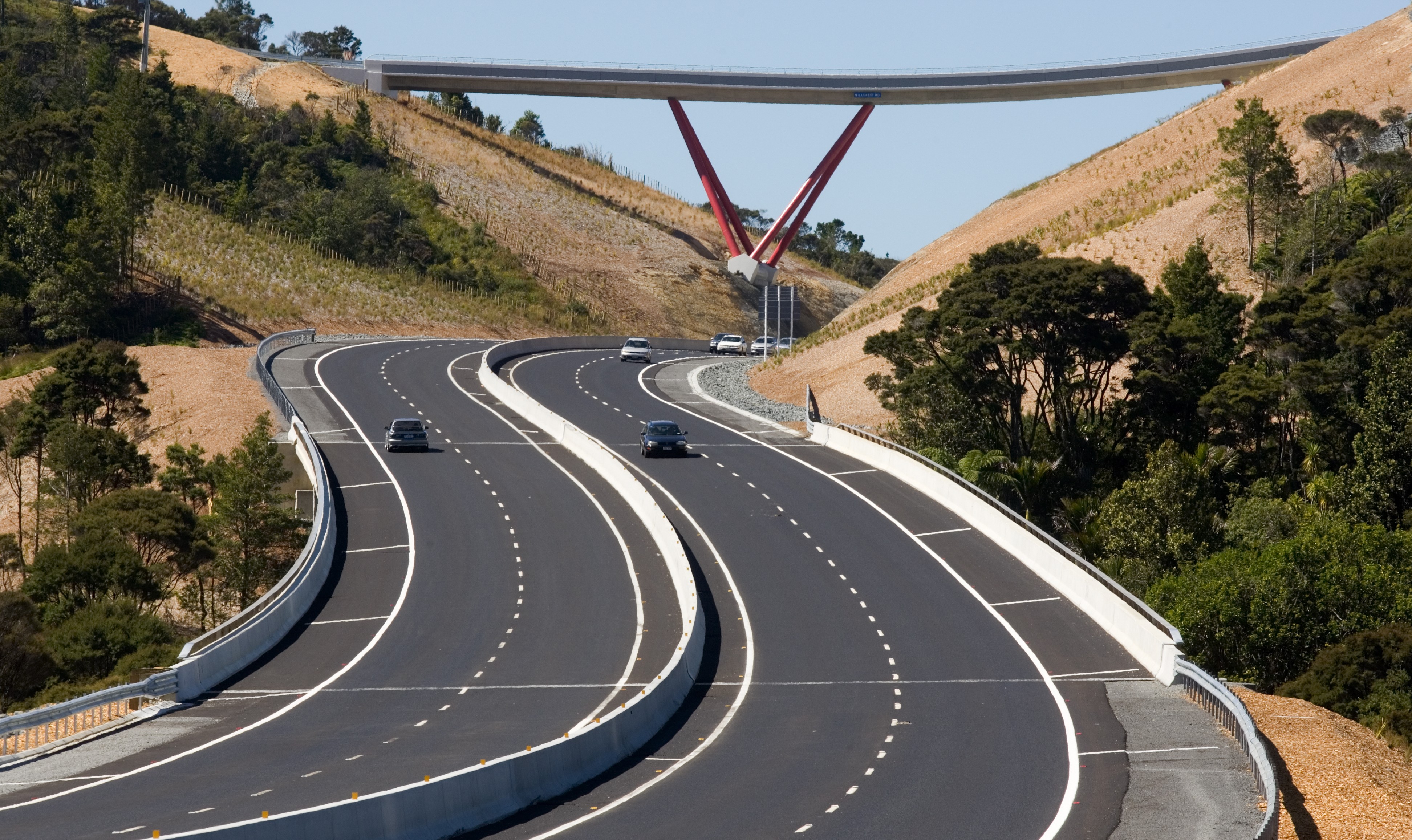
Important progress in the fight against online financial scams has been made with the launch of a new initiative between government, industry and consumer groups, Commerce and Consumer Affairs Minister Scott Simpson says.
“It is unacceptable that so many Kiwis are swindled by scammers every day,” Mr Simpson says.
“Some reports suggest scams cost the economy up to NZ$2 billion annually, and it is crucial we get on top of the problem.
“That is why I’m pleased to announce the New Zealand Anti-Scam Alliance – a new national effort that seeks to reduce the number of Kiwis falling victim to online financial scams.
“Up until this point New Zealand’s anti-scam efforts have developed in an ad-hoc way and suffered from a lack of coordination. We frequently hear that real-time information on scams is sourced from different areas across government and the private sector, making for a fragmented, and often, slow response.
“The Alliance addresses this by establishing a formal structure for government agencies, banks, telecommunications companies, digital platforms sectors, and consumer groups to share data about scams and shut them down in real-time.
“By better coordinating our efforts across industry and government, we should be able to seal up the cracks that scammers are slipping through.
“The Alliance has also agreed to take coordinated action to update industry codes, strengthen consumer protections and educate Kiwis about how to protect themselves from scams.
“The Anti Scam Alliance represents a significant step forward and is the first in a series of actions that will strengthen New Zealand’s scam defences. However, there is more work to do.
“The Government is also exploring other initiatives to support this work, including amending the Fair Trading Act so that government and industry can have the confidence to proactively share scam-related intelligence and collaborate on disruption initiatives without breaching competition or privacy laws.
“There is no silver bullet to address scams, but by working together across sectors to disrupt scams, we can significantly shift the dial.”

Science, Innovation and Technology Minister Dr Shane Reti has launched New Zealand’s first AI Strategy to boost productivity and grow a competitive economy.
“AI could add NZ$76 billion to our GDP by 2038, but we’re falling behind other small, advanced economies on AI-readiness and many businesses are still not planning for the technology,” says Dr Reti.
“We must develop stronger Kiwi AI capabilities to drive economic growth, and this Strategy sends a strong signal that New Zealand supports the uptake of AI.
“The Government’s role in AI is to reduce barriers to adoption, provide clear regulatory guidance, and promote responsible AI adoption.
“We’re taking a light-touch approach, and the Strategy sets out a commitment to create an enabling regulatory environment that gives businesses confidence to invest in the technology.
“Private sector AI adoption and innovation will boost productivity by unlocking new products and services, increasing efficiency, and supporting better decision-making.
“New Zealand’s strength lies in being smart adopters. From AI-powered precision farming techniques to diagnostic technology in healthcare, Kiwi businesses can tailor AI to solve our unique challenges and deliver world-leading solutions.”
The Strategy aligns with OECD AI Principles and the Government will continue to work with international partners on global rules to support the responsible use and development of AI.
“New Zealanders will need to develop trust and give social licence to AI use, so the Government has also released Responsible AI Guidance to help businesses safely use, develop and innovate with the technology,” says Dr Reti.
The Government will use existing legislation and regulations such as privacy, consumer protection and human rights, to manage risk and privacy concerns.

The Small Unmanned Aircraft (Amendment) Order 2025 and the Air Navigation (Hong Kong) Order 1995 (Amendment) Order 2025 will come into effect tomorrow (July 18) to facilitate the development of the low-altitude economy.
The amendments to the Small Unmanned Aircraft (SUA) Order (Cap. 448G) serve to extend the existing regulatory regime to cover SUA weighing over 25 kilograms but not exceeding 150kg. Relevant guidance documents including the updated Safety Requirements Document and Advisory Circulars will be available on the Civil Aviation Department (CAD)'s website (www.cad.gov.hk/english/sua_new.html) from July 18.
Meanwhile, the amendments to the Air Navigation (Hong Kong) Order 1995 (Cap. 448C) serve to facilitate the trials of various unconventional aircraft in Hong Kong. New articles are added under Cap. 448C to empower the Chief Executive to permit the trials of unconventional aircraft under specified conditions. Practical guidance in respect of the trials of unconventional aircraft will be published on the CAD's website (www.cad.gov.hk/english/uca_trials.html) on July 18.
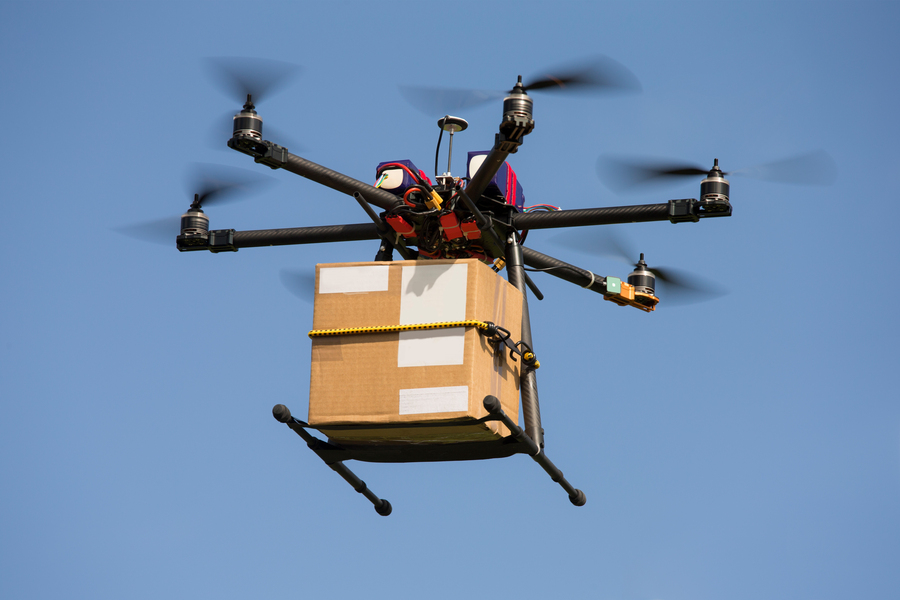
The Government today (May 12) commences a public consultation on updating Hong Kong's Biodiversity Strategy and Action Plan (BSAP). The two-month consultation period will end on July 11.
The Government is committed to conserving Hong Kong's natural heritage, safeguarding biodiversity and achieving sustainable development. To complement the country's implementation of the United Nations' Convention on Biological Diversity, the Government launched the first phase of the BSAP in 2016, proposing a total of 67 specific measures in four main areas. With the concerted efforts of various sectors of the community, stakeholders and the Government, the first phase of the BSAP has achieved fruitful outcomes.
A spokesman for the Agriculture, Fisheries and Conservation Department (AFCD) said, "Biodiversity is an integral part of our daily lives and is intricately linked to the prosperity of our city and the well-being and quality of life of our citizens. Hong Kong has extraordinary biodiversity relative to a city of its size. To strike a balance between meeting development needs and conserving biodiversity, all sectors of the community should work together to ensure sustainable development."
To update the strategic areas and actions for the next phase of the BSAP, the Government launched a public consultation today to gather views from various sectors of the community. Taking into account the latest global and national biodiversity initiatives, including the Kunming-Montreal Global Biodiversity Framework and the China National Biodiversity Conservation Strategy and Action Plan (2023-2030), local circumstances and conditions, and views received during the consultation period, the Government will complete updating the BSAP later this year to step up the work on biodiversity conservation and sustainable development, and to support the latest global and national initiatives.
The consultation document proposes four strategic areas:
(1) Nature conservation: Building on years of dedicated efforts and the implementation of the first phase of the BSAP, the Government has already implemented numerous conservation measures. The Government proposes to continue implementing nature conservation measures to ensure the preservation of healthy ecosystems, for example, by exploring the implementation of area-based conservation measures, restoring degraded or declining habitats, and strengthening the protection of species of concern;
(2) Deepening mainstreaming: The first phase of the BSAP has raised the awareness of biodiversity across society. The Government proposes to further promote the adoption of biodiversity-friendly practices across all sectors of society, for example, through mobilising resources to support the sustainable use and conservation of natural resources, encouraging various sectors to leverage biodiversity opportunities, supporting communities to develop stewardship responsibilities towards nature, etc, with a view to building a prosperous city that coexists harmoniously with nature;
(3) Capacity building: The Government has continued to invest in biodiversity-related knowledge products and research projects, including the establishment of the Hong Kong Biodiversity Information Hub and setting up various funding schemes. The Government proposes to continue to strategically invest resources in promoting research and nurturing talent, for example, by enabling innovative and high-quality research, promoting knowledge transfer and talent development, strengthening institutions to support capacity building, etc, for enhancing individual and collective capacities and empowering everyone to actively contribute to the conservation of biodiversity; and
(4) Collaborative partnering: Hong Kong has a unique set of strengths, including international talent, a diverse cultural environment and close connections with international networks. The Government proposes to foster a culture of collaboration to extend the benefits of nature conservation to broader communities, for example, by jointly taking actions with cross-boundary and international partners, promoting exchange of experience and information on various fronts, encouraging cross-disciplinary collaborations, etc.

China's civil aviation regulator has announced a ban on power banks without a valid 3C certification, those with unclear 3C labels, or those subject to product recalls from being carried on domestic flights, as part of efforts to enhance aviation safety.
The Civil Aviation Administration of China said in an emergency notice that the new regulation will take effect starting Saturday.
The move comes amid a rising number of incidents involving fires and smoke caused by lithium battery products, including power banks, on board aircraft this year. Authorities said that in recent months, several leading power bank manufacturers have issued recalls for multiple product batches due to battery cell safety risks.
China's top market regulator, the State Administration for Market Regulation, has also revoked or suspended 3C certifications for several power bank and battery cell manufacturers, indicating potential quality and safety hazards among portable chargers commonly carried by passengers. These risks have posed increasing challenges to the safe operation of civil aviation, the CAAC said.
To further mitigate these risks, the CAAC will implement stricter management in line with international standards set by the Technical Instructions for the Safe Transport of Dangerous Goods by Air, the notice said.
The regulator urged airlines and relevant aviation authorities to strengthen passenger communication, enhance inspection protocols, optimize services, and refine emergency response plans to support the new policy.
Airlines and their agents should promote awareness about carrying substandard power banks and encourage passengers to comply with the new safety rules, the notice said.
Airports are also required to intensify safety messaging by leveraging broadcasting systems, digital displays and other channels to warn travelers about the risks and to publicize the updated regulations in key areas such as security checkpoints and check-in counters.

The New Zealand Government’s interim financial statements for the 11 months to 31 May 2025 showed slightly better-than-forecast results.
The OBEGALx deficit was NZ$7.9 billion, NZ$0.2 billion below forecast.
Core Crown tax revenue exceeded expectations, while expenses were marginally higher. Net core Crown debt was NZ$180.3 billion (41.8% of GDP), in line with forecasts.
Gross debt was NZ$202.5 billion, NZ$7.2 billion below forecast. Net worth stood at NZ$184.3 billion (42.7% of GDP), broadly matching projections.

Important progress in the fight against online financial scams has been made with the launch of a new initiative between government, industry and consumer groups, Commerce and Consumer Affairs Minister Scott Simpson says.
“It is unacceptable that so many Kiwis are swindled by scammers every day,” Mr Simpson says.
“Some reports suggest scams cost the economy up to $2 billion annually, and it is crucial we get on top of the problem.
“That is why I’m pleased to announce the New Zealand Anti-Scam Alliance – a new national effort that seeks to reduce the number of Kiwis falling victim to online financial scams.
“Up until this point New Zealand’s anti-scam efforts have developed in an ad-hoc way and suffered from a lack of coordination. We frequently hear that real-time information on scams is sourced from different areas across government and the private sector, making for a fragmented, and often, slow response.
“The Alliance addresses this by establishing a formal structure for government agencies, banks, telecommunications companies, digital platforms sectors, and consumer groups to share data about scams and shut them down in real-time.
“By better coordinating our efforts across industry and government, we should be able to seal up the cracks that scammers are slipping through.
“The Alliance has also agreed to take coordinated action to update industry codes, strengthen consumer protections and educate Kiwis about how to protect themselves from scams.
“The Anti Scam Alliance represents a significant step forward and is the first in a series of actions that will strengthen New Zealand’s scam defences. However, there is more work to do.
“The Government is also exploring other initiatives to support this work, including amending the Fair Trading Act so that government and industry can have the confidence to proactively share scam-related intelligence and collaborate on disruption initiatives without breaching competition or privacy laws.
“There is no silver bullet to address scams, but by working together across sectors to disrupt scams, we can significantly shift the dial.”
The Secretary for Commerce and Economic Development, Mr. Algernon Yau, arrived in Auckland on 12 August to continue his official visit to New Zealand.
Upon arrival, Mr. Yau held a lunch meeting with representatives from New Zealand Winegrowers to gain insights into the latest developments in the local wine industry and explore opportunities for deeper collaboration between Hong Kong and New Zealand in wine and liquor promotion.
Mr. Yau highlighted Hong Kong’s strengths as a global hub for wine and liquor trading, including its recent introduction of a two-tier liquor duty system aimed at encouraging the trade and auction of premium spirits. This strategic policy shift reflects Hong Kong’s commitment to enhancing its role as an international trading center and fostering a more business-friendly environment for both local and overseas enterprises—including those from New Zealand.
Between 2013 and 2023, spirit imports in Asia surged by nearly 80%, outpacing the global growth rate of 42% over the same period. The Mainland has emerged as one of the world’s largest importers of spirits. Mr. Yau emphasized that, under the "one country, two systems" framework, Hong Kong’s strategic location and unique advantages make it an ideal two-way platform for New Zealand’s wine and liquor industry to access the rapidly expanding Asian and Mainland markets.
In the afternoon, he met with representatives of the New Zealand China Council and Simon Bridges, Chief Executive of the Auckland Business Chamber (pictured left). He shared updates on Hong Kong’s latest developments, including the Northern Metropolis initiative and new measures to attract global enterprises and investment. The discussions also focused on enhancing business cooperation between Hong Kong and New Zealand, and leveraging Hong Kong’s gateway role to access the vast opportunities within the Guangdong-Hong Kong-Macao Greater Bay Area.
In the evening, Mr. Yau attended the Hong Kong Dinner, co-hosted by the Hong Kong Economic and Trade Office in Sydney and the Hong Kong New Zealand Business Association. In his remarks, he underscored the strong economic ties between Hong Kong and New Zealand, which have flourished since the signing of their free trade agreement in 2010. Today, Hong Kong remains one of New Zealand’s key trading partners in Asia.
Mr. Yau noted that the synergy between Hong Kong’s service-driven economy and New Zealand’s globally recognized expertise in food and agriculture has created opportunities that extend well beyond traditional trade. He expressed confidence that this dynamic and resilient partnership will continue to grow and prosper.
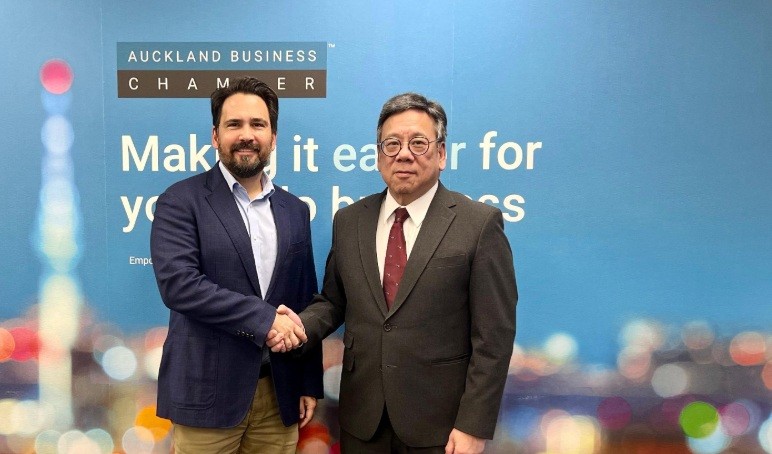
Hong Kong's Secretary for Commerce and Economic Development, Mr Algernon Yau, has begun his visit to New Zealand to promote Hong Kong's unparalleled strengths under the "one country, two systems" principle and foster economic and trade collaboration between the two places.
Mr Yau first visited Wellington and met with the Minister of Agriculture, Minister of Forestry, Minister for Trade and Investment and Associate Minister of Foreign Affairs of New Zealand, Mr Todd McClay (pictured above). Mr Yau gave him an update on Hong Kong's latest economic developments and initiatives to promote trade and investment, such as the deduction in liquor duty. They also exchanged views on strengthening bilateral relations to bring mutual benefits.
Turning to regional co-operation, Mr Yau highlighted Hong Kong's readiness for early accession to the Regional Comprehensive Economic Partnership (RCEP) - the world's largest free trade agreement. The 15 RCEP economies are all Hong Kong's major trading partners, collectively accounting for 70 per cent of Hong Kong's total trade. He called for New Zealand's support for Hong Kong's early accession to RCEP, through which the city is committed to making important contributions to regional economic development and integration.
Mr Yau also met with the Chair of New Zealand Trade and Enterprise and board member of Invest New Zealand Mr Charles Finny to gain a better understanding of the latest developments of local industries and exchange views on co-operation opportunities. Mr Yau also shared with him Hong Kong's unique advantages and favourable business environment that present tremendous business opportunities for New Zealand enterprises and investors.
Meanwhile, Mr Yau paid a courtesy call on the Ambassador of the People's Republic of China to New Zealand, the Cook Islands and Niue, Dr Wang Xiaolong, to keep him abreast of Hong Kong's latest developments and efforts in deepening international exchanges and co-operation, with a view to coping with the changes in the global economic and trade landscape.
In the evening, Mr Yau attended a business dinner cohosted by the Hong Kong Economic and Trade Office, Sydney and BusinessNZ to promote Hong Kong's strategic location and its roles as an international trade centre and investment hub. He said that Hong Kong is the world's fifth-largest merchandise trading entity, after the Mainland, the United States, the European Union and Japan. Meanwhile, according to the World Investment Report 2025, global foreign direct investment inflows to Hong Kong reached US$126 billion in 2024, ranking Hong Kong third globally. This is a vote of confidence in Hong Kong by investors. Hong Kong is also home to around 10,000 foreign companies from around the world, with many of them eyeing the Mainland and Southeast Asian markets.
He also briefed the participants on the vast potential of the Guangdong-Hong Kong-Macao Greater Bay Area (GBA) with a population of 87 million and a GDP of US$2 trillion. He encouraged the local business sector to explore GBA business opportunities and also enjoy preferential treatment under the Mainland and Hong Kong Closer Economic Partnership Arrangement, leveraging Hong Kong's distinctive advantage as a gateway to the GBA and Mainland markets.
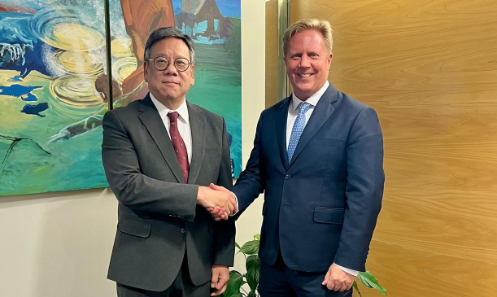
Multiple Chinese authorities have jointly issued a set of guidelines aimed at promoting the innovative development of the brain-computer interface (BCI) industry.
The country seeks to achieve key technological breakthroughs in the industry by 2027, alongside the establishment of advanced technology, industry and standards systems, according to the guidelines, which were released by several state organs including the Ministry of Industry and Information Technology and the National Development and Reform Commission.
BCI technology enables interaction between biological and machine intelligence by building information channels between the human brain and machines, exemplifying the integration of the life sciences and information technology.
Specifically, the guidelines call for the accelerated adoption of BCI products across sectors such as industrial manufacturing, health care and consumption by 2027, and for the development of new scenarios, business models and formats.
By 2030, the country should strengthen its BCI innovation capabilities significantly, establish a safe and reliable industrial ecosystem, and cultivate two to three globally influential leading enterprises, according to the guidelines.
They also outline an array of key tasks, including the advancement of basic hardware and software research, and achieving significant progress in the development of BCI chips.
Unnecessary costs and frustrations throughout the economy are caused by complex and outdated labelling regulations. Minister for Regulation David Seymour and Commerce and Consumer Affairs Minister Scott Simpson have today announced the Ministry for Regulation will conduct a sector review into product labelling to address this.
“The Ministry for Regulation is in a unique position to take on regulatory costs that make it harder for Kiwis to get affordable goods. Because these regulations are imposed by so many departments, it takes one ministry with a mandate for cutting red tape,” says Mr Seymour.
“New Zealand product labelling requirements are made up of over 30 different codes, standards, and regulations. This leads to high costs for businesses to label their products to comply with New Zealand standards.
“New Zealand’s labelling regime drives up prices and limits wage growth. Exporters face extra compliance costs preparing products for overseas markets, while consumers miss out on global goods because importers face differences in labelling requirements. Many countries are also shifting to QR codes that link to online labels, easily tailored for different markets and changing needs.
“Complex labelling rules hit businesses at every level. From small exporters navigating conflicting overseas standards, to pharmacies putting medicines on their shelves. Businesses are forced to print multiple versions of essentially the same label. It’s also building products and agricultural sprays; the list goes on. Those costs ultimately get passed on to consumers at the checkout.
“The price of groceries is a major concern for Kiwis. Current settings mean products packaged for Australia might not be able to be sold in New Zealand. This forces businesses to waste time and money repackaging,” says Mr Seymour.
“If we want new international retailers to come here, we need to show them we welcome business investment. The best way to do that is to get out of their way when it comes to annoying compliance that isn’t benefiting anyone.
“Businesses like Chemist Warehouse have been a game-changer for Kiwis purchasing cheaper pharmaceutical products. However, they’re also tied up by excessive labelling requirements adding costs to their operations.”
“This is a step towards lower compliance costs for businesses and increased global competitiveness for Kiwi goods on the world stage,” says Mr Simpson.
“This Government is working with businesses, industry groups, and consumer advocates to identify pain points and gather input to shape the review’s terms of reference.
“In a time when households are feeling the pinch, every unnecessary cost we can remove from the system is a win for families and businesses.”
The review is expected to be complete by December 2025.

The United States has confirmed that tariffs on New Zealand exports will increase from 10 per cent to 15 per cent from 7 August, placing us alongside other key US trading partners including Japan and South Korea.
Trade and Investment Minister Todd McClay says, this decision appears to be based on a calculation of trade deficits, with countries running a surplus with the US moved to the higher rate. In New Zealand’s case, the surplus is modest, around US$500 million, and is not overly significant in the context of the US economy.
Over the past decade, our trade relationship with the US has seen periods where the US enjoyed a significant surplus and times, like now, when New Zealand has a modest one. Overall, our trade is balanced and complementary, reflecting the strength of a long-standing partnership.
“I am seeking an urgent call with the US Trade Representative to make New Zealand’s position clear: this increase risks harming exporters and consumers of both countries. The US currently faces an average tariff of just 0.8 per cent when exporting to New Zealand, far lower than what we face into their market,” Mr McClay says.
“New Zealand exports around $9 billion of goods to the US annually. At 15 per cent, the impact will be considerable for exporters, many of whom absorbed or passed on the earlier 10 per cent rate. At 15 per cent, that becomes much harder.
“Our focus now moves to engaging directly with the US on this current announcement to seek changes to this decision.
“New Zealand has always stood for open, rules-based trade. We will continue to advocate strongly for a resolution that supports our exporters and maintains the strength of our trading relationship with the United States.”

The New Zealand Government is investing over NZ$183 million in 19 science projects, including NZ$10 million for DeepHeat, a supercritical geothermal energy initiative in the Taupo Volcanic Zone.
Backed by the Endeavour Fund, these programmes aim to boost innovation, energy security, and economic growth, with research spanning AI, climate tech, healthcare, and aquaculture.
Ministers Reti and Jones highlight the potential for global breakthroughs and real-world impact through commercialisation and resilience-building.
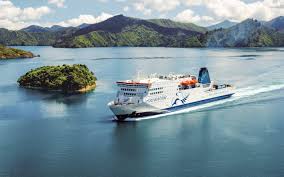
Ferry Holdings has selected a preferred shipbuilder (yet to be named) for two new Cook Strait ferries, marking a major milestone in a fast-tracked procurement process.
The 200-metre hybrid vessels will carry 1,530 passengers, vehicles and rail wagons, with delivery set for 2029.
Designed for safety, low emissions, and 30 years of service, the ferries reflect a return to cost-effective planning, avoiding billions in potential overspending. Final contracts are expected later this year.
Auckland Airport and Aviation Security are donating confiscated batteries from checked luggage to South Auckland communities via charities, diverting 145kg monthly from landfill.
Since August 2024, 95,000 batteries have powered toys, torches, and school projects. Batteries, which pose fire risks in aircraft holds, are the most confiscated item.
Travellers are urged to pack them in carry-on bags to ensure safety and avoid removal. Also, when flying in China your power bank must show the CCC label to avoid confiscation.

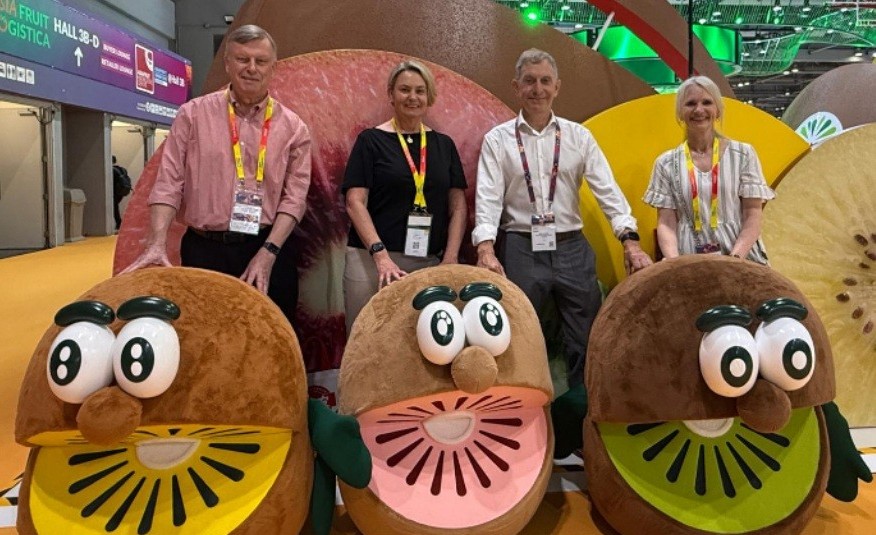
The team from the New Zealand Chamber of Commerce in Hong Kong (NZCCHK) recently attended the prestigious Asia Fruit Logistica trade fair, held at AsiaWorld-Expo.
This premier event brings together global leaders in the fresh produce industry, offering a dynamic platform for networking, innovation, and showcasing premium agricultural products.
During the visit, NZCCHK had the pleasure of meeting up with Corporate Gold Member Zespri, the world’s largest marketer of kiwifruit and a flagship brand of New Zealand’s horticultural sector. Zespri’s presence at the fair highlighted the strength and global appeal of New Zealand-grown kiwifruit, which continues to set the benchmark for quality, sustainability and taste.
Kiwifruit remains one of New Zealand’s most prized export products, renowned for its nutritional value and exceptional flavour. The current season is shaping up to be one of the strongest in recent years, with robust demand and expanding market reach across Asia and beyond. Export volumes are climbing steadily, driven by consumer preference for healthy, high-quality produce and Zespri’s commitment to excellence in cultivation and supply chain innovation.
The Chamber is proud to support members like Zespri who exemplify the best of New Zealand enterprise and continue to elevate the country’s reputation on the global stage.
China has unveiled its fourth list of 34 national-level memorial sites and 43 heroes commemorating the War of Resistance Against Japanese Aggression (193145), honouring overseas Chinese and international allies.
Among the sites included are a memorial park in Shandan county, Gansu province, dedicated to New Zealand-born writer Rewi Alley and British journalist George Aylwin Hogg, both of whom supported China during the war.
Over 100 overseas memorials exist, with 3,000 conservation projects completed.
New Zealand is launching the Business Investor Visa in November 2025 to attract experienced businesspeople.
It offers residence pathways via NZ$1 million (3-year) or $2 million (12-month fast-track) investments in existing businesses. The visa replaces the Entrepreneur Category and complements the Active Investor Plus visa.
It aims to boost jobs, incomes, and economic growth, with clearer, more efficient settings. A startup-focused visa is also in development to support innovative entrepreneurs and stimulate the economy.

China is ramping up efforts to boost inbound consumption, with foreign tourist numbers surpassing 19 million in the first half of the year and tax-refund shop sales rising 95%.
Over 7,200 such shops now operate nationwide. The Ministry of Commerce plans to enhance layouts, expand offerings, and improve services, while promoting diverse shopping, tourism, and cultural experiences.
Optimised tax refund policies and broader payment channels aim to enrich foreign visitors experiences and stimulate domestic economic growth.

Chinas Jiangmen Underground Neutrino Observatory (JUNO), the worlds largest transparent spherical detector, has begun operation after over a decade of development. With a 20,000-tonne liquid scintillator, JUNO aims to resolve neutrino mass ordering and explore fundamental physics.
Located 700 meters underground, it detects antineutrinos with record precision. Involving 700+ researchers globally, JUNO will study solar, atmospheric, and supernova neutrinos, and may probe proton decay and Majorana particles, advancing particle physics and cosmology over its 30-year lifespan.
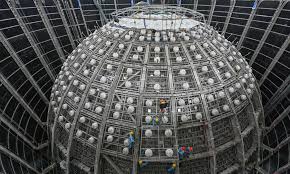
China remains committed to boosting foreign trade despite global uncertainties and rising tariff barriers, which have disrupted supply chains and increased costs.
The Ministry of Commerce emphasised high-quality development and deeper international cooperation to counter these challenges. In the first seven months of 2025, Chinas goods trade reached CNY25.7 trillion (approx. USD3.6 trillion), growing 3.5% year-on-year, with momentum accelerating.
Officials reaffirmed Chinas readiness to expand high-standard opening up and collaborate with global partners.
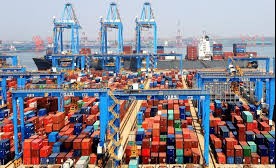
Te Herenga Waka - Victoria University of Wellington and Zhengzhou University have launched joint teaching through the Wellington Institute of Zhengzhou University, offering English-taught degrees in Architecture, Landscape Architecture, and Industrial Design.
Students earn dual degrees, with teaching led by both universities.
The partnership fosters cross-cultural exchange, global perspectives, and future collaboration in postgraduate study, research, and industry.
With over 70,000 students, ZZU brings scale and prestige, while Te Herenga Waka contributes innovation in design education.
Opportunities for study in Wellington are expanding, reinforcing a thriving, mutually beneficial relationship between New Zealand and China.


In the year ended March 2025 New Zealand exported NZ$1.62 billion (~HK$7.25 billion) of total goods and services to Hong Kong and imported NZ$485.23 million (~HK$2.2 billion), representing a trade balance of NZ$1.13 billion (~HK$5.1 billion) and a total trade value of NZ$2.1 billion (~HK$9.5 billion).
This represented 1.5% of all exports of total goods and services in this time period and 0.4% of imports.
For trade in total goods and services Hong Kong ranked 13 of 237 for highest export value, 27 of 239 for highest import value, and 19 of 243 for highest total trade value.

Associate Finance Minister David Seymour welcomes the passing of first reading for a Bill to make it easier for New Zealand businesses to receive new investment, grow and pay higher wages.
The Overseas Investment (National Interest Test and Other Matters) Amendment Bill has passed its first reading in Parliament today (24 June 2025).
“New Zealand has been turning away opportunities for growth for too long. Having one of the most restrictive foreign investment regimes in the OECD means we’ve paid the price in lost opportunities, lower productivity, and stagnant wages. This Bill is about reversing that,” says Mr Seymour.
“In 2023, New Zealand’s stock of foreign direct investment sat at just 39% of GDP, far below the OECD average of 52%. Investors are looking elsewhere, so we’re showing them why New Zealand is the best place to bring their ideas and capital.
“International investment is critical to ensuring economic growth. It provides access to capital and technology that grows New Zealand businesses, enhances productivity, and supports high paying jobs.
“New Zealand’s productivity growth has closely tracked the amount of capital workers have had to work with. Our capital-to-labour ratio has seen very little growth in the last 10 years, averaging approximately 0.7 per cent in measured sectors annually. That’s compared to growth in the capital-to-labour ratio in measured sectors of around 2.2 percent in the previous 10 years. Unsurprisingly, productivity growth averaged 1.4 percent a year between 1993 and 2013, but only 0.2 percent between 2013 and 2023.
“The Bill will consolidate and simplify the screening process for less sensitive assets, introducing a modified national interest test that will enable the regulator to triage low-risk transactions, replacing the existing benefit to New Zealand test and investor test. If a national interest risk is identified, the regulator and relevant Minister will have a range of tools to manage this, including through imposing conditions or blocking the transaction.”
The current screening requirements will stay in place for investments in farmland and fishing quota.
“For all investments aside from residential land, farmland and fishing quota, decisions must be made in 15 days, unless the application could be contrary to New Zealand’s national interest. In contrast, the current timeframe in the Regulations for the benefit test is 70 days, and the average time taken for decisions to be made is 30 days for this test,” says Mr Seymour.
“High-value investments, such as significant business assets, existing forestry and non-farmland, account for around $14 billion of gross investment each year. We’re removing the barriers for these investments so that number can grow.
“The Ministerial Directive Letter will be updated to provide guidance on which assets should undergo further scrutiny and which risks may be contrary to New Zealand’s national interest. This guidance will provide a degree of certainty to investors and support a flexible regime which is responsive to new and emerging risks.
“The updated system brings New Zealand up to speed with other advanced economies. They benefit from the flow of money and the ideas that come with overseas investment. If we are going to raise wages, we can’t afford to ignore the simple fact that our competitors gain money and know-how from outside their borders.
“These reforms cut compliance costs, reduce processing times, and restore confidence that New Zealand is open for business. The Bill will be passed by the end of the year and the new regime implemented by early 2026. A new Ministerial Directive Letter will come into force at the same time.”

Parliament has passed legislation to formally establish Invest New Zealand, clearing the way for the new investment attraction agency to begin operations on 1 July 2025.
“This marks a major step in the Government’s plan to grow the economy by attracting more international capital, businesses and talent into New Zealand,” Trade and Investment Minister Todd McClay says.
“Invest New Zealand will have a clear commercial focus—working directly with global investors to unlock opportunities that create jobs, boost innovation, and lift our long-term productivity.”
Budget 2025 committed $85 million over four years to support the agency’s establishment as an autonomous Crown entity.
Invest New Zealand will:
A private sector advisory group, chaired by Rob Morrison, has played a key role in designing the agency’s framework and will continue to provide strategic advice as the agency scales up.
“Invest New Zealand will act as a bridge between global capital and New Zealand’s economic potential,” Mr McClay says.
“It’s about making it easier to do business here—cutting red tape, speeding up decision-making, and targeting investment that delivers long-term benefits for the country.”
The agency will be up and running 1 July.








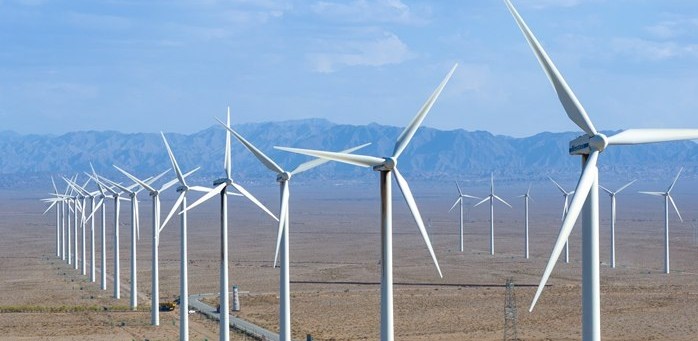







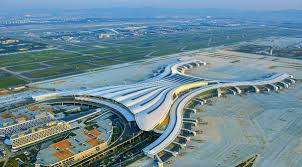
Note: The above news articles are provided for information only. Professional advice should be obtained prior to acting on any of the information contained within the articles. The articles are sourced from news and press releases in the public domain. The views expressed in each or any of the articles and/or associated podcasts do not necessarily reflect the views or opinions of the New Zealand Chamber of Commerce in Hong Kong nor its members.